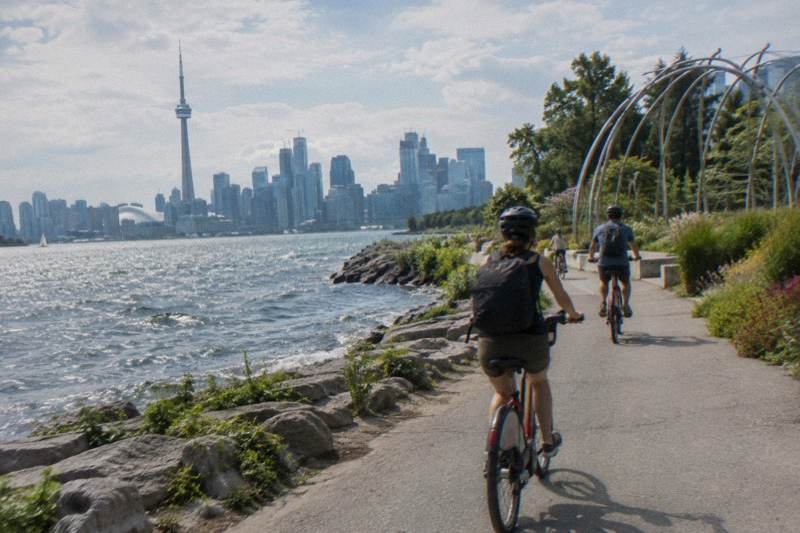
Is Distillery District Worth Visiting?
Is the Distillery District worth visiting? A plain answer with Winter Village dates, ticket rules, year-round hours, and how to pair the district with a guided bike ride.
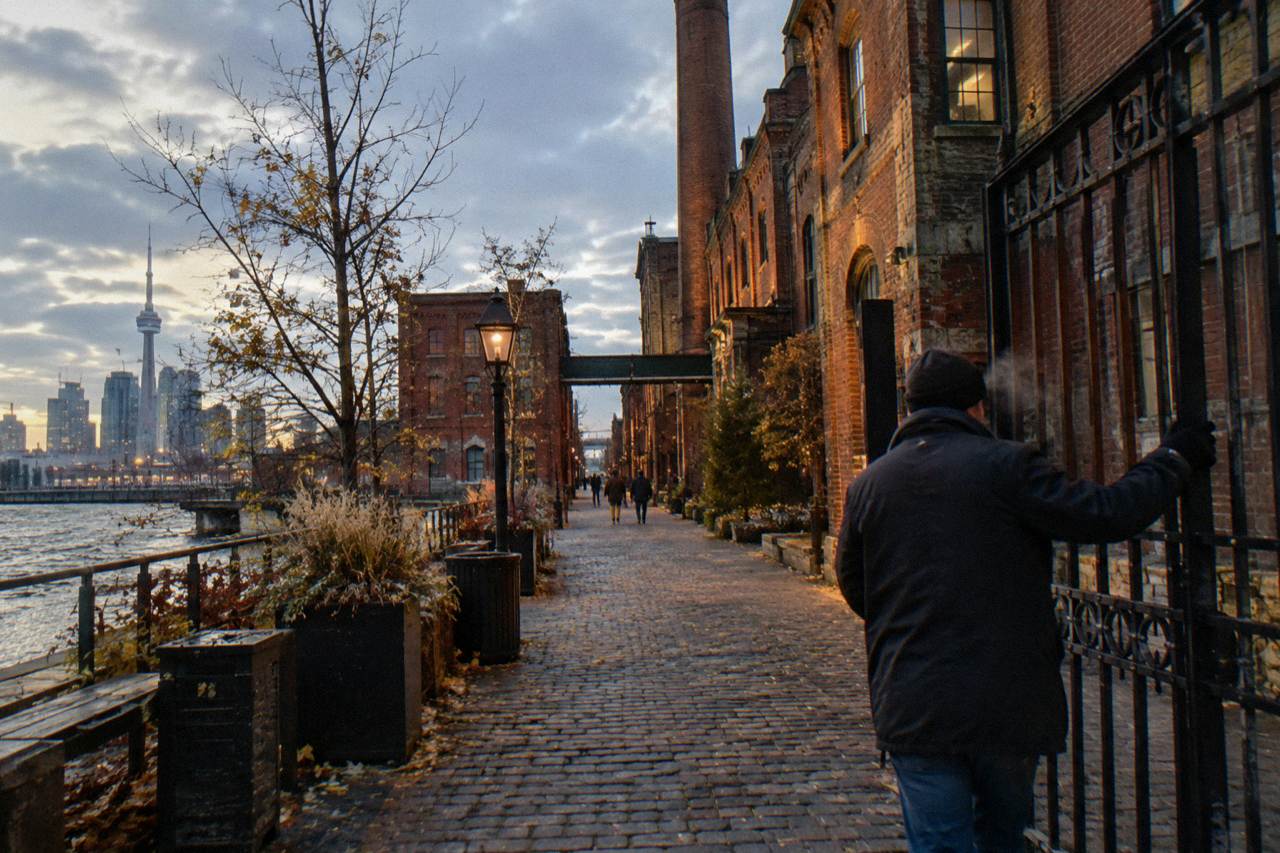
Yes, for most visitors the Distillery District is worth visiting, and for two reasons that hold up at any time of year. First, it is a genuinely rare piece of architecture: a car-free block of restored Victorian industrial buildings that you cannot find elsewhere in the city. Second, from mid-November through the holidays it hosts the Distillery Winter Village, one of the most attended seasonal markets in Canada.
That is the short answer, and it comes with honest caveats. The district is small, roughly a few city blocks of pedestrian laneways, so a visit measured in hours rather than a full day suits most travellers. It sits at the eastern edge of downtown, close to the waterfront trail, which makes it an easy stop on a day that also includes the lakefront rather than a destination that justifies a trip on its own. Crowds are the other factor: on peak Winter Village evenings the lanes fill completely, and some visitors find that atmosphere part of the appeal while others find it overwhelming. Knowing which camp you fall in before you go is most of the decision.
What follows is a practical breakdown. The Winter Village dates and ticket rules, what the district offers the rest of the year, how the weather shapes a visit month by month, and the case for pairing the district with a guided bike ride along the waterfront, which is the most natural way to fold it into a bigger day.
For readers planning a cycling-focused trip, the district also happens to sit within easy riding distance of the Martin Goodman Trail and the harbour, so a visit combines cleanly with a tour. The trio below covers the rides that pair best with a Distillery day.
What Makes The District Worth The Trip?
The core draw is the setting itself: restored brick and stone industrial buildings arranged around car-free cobblestone lanes, with independent shops, galleries, restaurants and cafes filling the ground floors. No vehicles move through the central district, which changes the pace entirely. Standard hours run Monday to Thursday 10 a.m. to 7 p.m., Friday and Saturday 10 a.m. to 8 p.m., and Sunday 11 a.m. to 7 p.m.
Those hours come from late-October 2026 listings, and individual shops and restaurants inside the district keep their own schedules, so check a specific venue before you build a tight plan around it. The district is walkable end to end in well under an hour at a relaxed pace; the time you spend there depends on how many stops you make. A coffee, a browse through the galleries, and a look at the architecture can fill a pleasant couple of hours.
The winter season is when the district transforms. The 2026 Distillery Winter Village runs November 12, 2026 to January 3, 2027, closed December 25, with the Christmas tree lighting ceremony on November 12 at 6 p.m. and opening festivities from 4 p.m. New features announced for 2026 include an immersive Nutcracker experience and a chocolate waterfall. Retail hours during the village typically run 10 a.m. to 9 p.m. Sunday to Thursday, and until 10 p.m. Friday and Saturday, with the vendor cabins opening from noon.
Beyond the market-style draws, the district works as a plain streetscape visit. Photographers value the brick facades and cobblestones in every season. Families get an easy, traffic-free place to wander. And because the district sits close to St. Lawrence Market and the eastern waterfront, it slots into a walking or cycling loop without much backtracking. The South Market there keeps regular hours of Tuesdays to Fridays 9 a.m. to 7 p.m., Saturdays 7 a.m. to 5 p.m. and Sundays 10 a.m. to 5 p.m., closed Mondays, so a combined market-and-distillery morning is straightforward on any day but a Monday. If you want the fuller picture of riding the neighbourhoods around downtown, the downtown neighbourhoods by bike guide lays out how the districts connect.
For visitors deciding how to spend a first day in the city, the honest framing is this: the Distillery District is a highlight stop, not a full-day destination. Pair it with the waterfront, the Islands, or the downtown core, and it earns its place easily.
What Are The Winter Village Ticket Rules?
Tickets are required on opening night, on Fridays through Sundays after 4 p.m., on Thursdays in December after 4 p.m., and daily after 4 p.m. from December 14 to 31. Entry is free all day Mondays to Wednesdays through December 13, and free at other non-peak times. General admission starts at roughly $16 plus fees, with the exact price set by the event.
Those rules matter because they change when you should go. A visitor who wants the lit-up evening atmosphere without a ticket can go on a Monday, Tuesday or Wednesday before December 14, any time of day, and walk in free. A visitor set on a Friday or Saturday evening needs a ticket bought in advance; peak evenings sell out, and the lanes are busiest then. The pattern rewards flexibility: the lights and cabins exist on weekday afternoons too, with a fraction of the crowd.
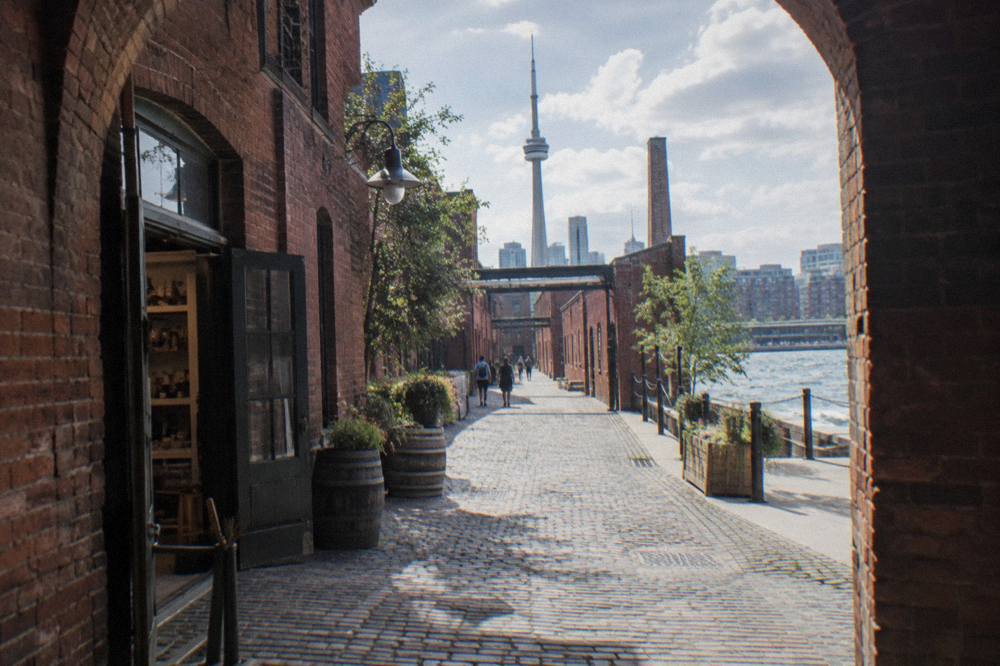
The full schedule, cabin list and ticket purchasing live on the event's own site, and the details above follow the official Winter Village page. Confirm before you travel, because pricing tiers and peak-day definitions can shift between seasons.
| When you visit | Ticket needed? | Notes |
|---|---|---|
| Opening night, November 12, 2026 | Yes | Tree lighting at 6 p.m., festivities from 4 p.m. |
| Fridays to Sundays after 4 p.m. | Yes | Busiest evenings; book ahead |
| Thursdays in December after 4 p.m. | Yes | Peak rules begin midweek in December |
| Daily after 4 p.m., December 14 to 31 | Yes | Holiday peak period |
| Mondays to Wednesdays through December 13 | No, free | Any time of day |
| All other non-peak times | No, free | Includes weekday daytime hours |
One planning note for cyclists: the Winter Village runs into early January, when Toronto's average January high sits at -0.3 C and the average low at -6.7 C, per the Environment Canada 1991 to 2020 normals. Riding to the district for an evening market in deep winter is possible, but most visitors arrive by transit in January and save the bike pairings for the milder margins of the season.
Is It Worth Visiting Outside Winter Village Season?
Yes, though the experience is quieter and depends more on your interest in architecture, shopping and food. Outside the village window, the district is a year-round pedestrian enclave with galleries, boutiques, cafes and restaurants inside restored industrial buildings, open on the standard hours noted above. Visitors who want the market atmosphere without crowds should target a weekday afternoon.
The honest trade-off is scale. In July, with no market cabins and no lights, the district is a pleasant one-to-two-hour stop rather than an event. That suits travellers who are already nearby, especially anyone riding the waterfront trail, which passes within a short distance of the district's eastern edge. It suits dedicated shoppers and photographers less well as a standalone trip from a distant hotel in, say, mid-February.
Season matters more here than in most Toronto stops. The summer months bring the free concert series and open-air feel of the wider waterfront, covered in the Toronto waterfront trail by bike guide, while late November and December bring the village. Shoulder seasons, April to May and September to October, offer mild temperatures and thin crowds, which many repeat visitors call the sweet spot.
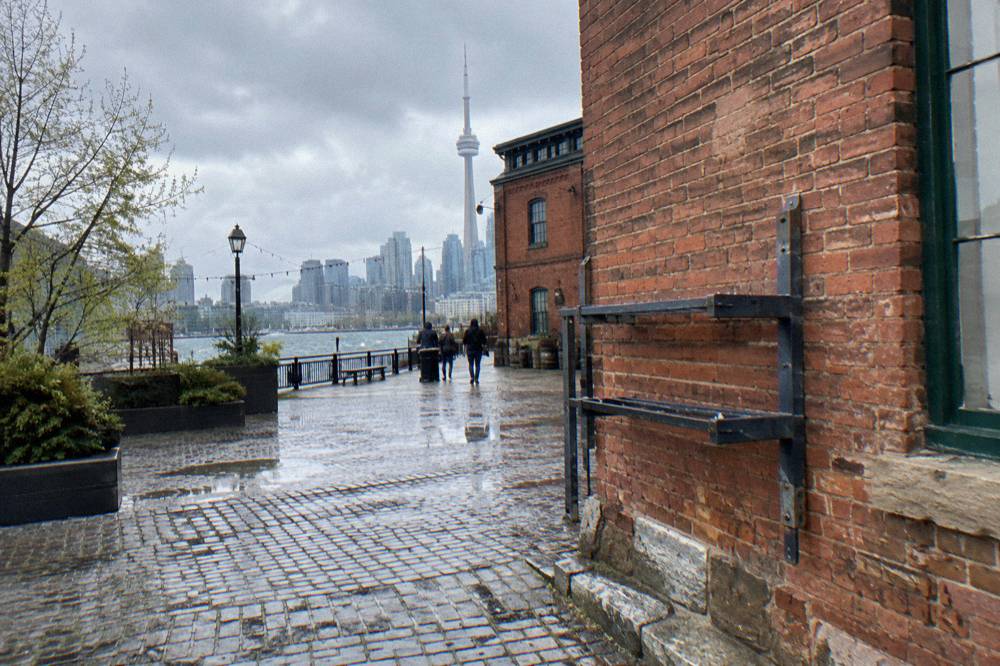
There is also a nearby seasonal anchor that extends the case for a shoulder-season visit. The third annual St. Lawrence Winter Market runs November 19 to December 22, 2026, Thursdays to Sundays plus December 21 and 22, on Market Street, with free entry, vendors, live music and Santa photos on Saturday and Sunday afternoons. Because it sits a short distance from the Distillery District, a December weekend can take in both markets in one loop, one ticketed at peak hours and one free. Add the Evergreen Winter Market on four pay-what-you-can Sundays in the Don Valley, November 29 and December 6, 13 and 20, and the city's festive circuit gives a December visitor more than enough to fill two or three evenings.
If your trip falls between seasons and you are weighing the district against other stops, ask one question: does a compact, atmospheric, walkable heritage block appeal to you, or do you need a marquee event? In the first case, go any time. In the second, time your visit to the village window and buy the ticket.
A little arithmetic makes the December decision easier. Entry is free all day on Mondays to Wednesdays through December 13 and at other non-peak times, so a visitor who plans around those windows pays nothing at the gate. Add the free St. Lawrence market and the pay-what-you-can Evergreen Sundays, and the only fixed cost left in a December itinerary is the general admission, from about $16, on ticketed dates; everything beyond that is food and gifts you choose to buy.
Timing inside the day matters as much as the date. In season, the vendor cabins open at noon, so arriving at that hour on a free-entry weekday, Monday to Wednesday through December 13, gives you the cabins before the after-4 p.m. ticket window opens. Off-season, the same weekday quiet that keeps crowds thin gives photographers the brick facades, iron walkways and pedestrian lane largely to themselves, and riders on the waterfront trail can treat the district's eastern edge as the turn-around point of a trip out along the water.
How Does The Weather Shape A Visit?
Weather shapes a Distillery visit more than most downtown stops, because the main attractions are outdoors: the lanes, the cabins, the lights. Toronto's 1991 to 2020 climate normals show average highs of 27.0 C in July against -0.3 C in January, with 7.2 to 10.5 days per month recording 1 mm or more of precipitation across the year. There is no dry season; every month carries some rain or snow risk.
The practical read of those normals: summer visits are warm and reliably pleasant for walking, but the unshaded cobblestones hold heat on the hottest afternoons. Winter visits, including the whole Winter Village window, average below freezing overnight, so layered clothing and real winter footwear matter, and the cobblestones can be slick in snow. The shoulder months, with average highs of 11.7 C in April and 22.0 C in September, are comfortable for combining the district with longer walks or rides along the lake.
| Month | Avg high C | Avg low C | Days with 1 mm+ precip |
|---|---|---|---|
| January | -0.3 | -6.7 | 10.5 |
| April | 11.7 | 3.9 | 9.4 |
| July | 27.0 | 18.1 | 8.2 |
| September | 22.0 | 13.8 | 7.7 |
| November | 8.1 | 2.3 | 9.0 |
| December | 2.6 | -2.7 | 9.3 |
Those figures are long-term Environment Canada normals for Toronto City, not a forecast, so treat them as a planning baseline rather than a promise about your specific week. One recent data point shows the variability: Toronto Pearson recorded about 22.2 C in late October 2026, breaking a daily record from 1946, days before the November cooldown that opens the Winter Village season.
For cyclists, the same numbers decide the pairing. A ride to the district in November or December is a short, manageable trip for a rider dressed for single-digit highs. In deep winter, the guided rides that combine the district's side of downtown with the waterfront become less attractive, and visitors typically split the day: transit to the market in the evening, bike tour on a milder day.
How Do You Pair The District With A Guided Bike Ride?
The strongest pairing is a morning or midday guided ride covering the waterfront and downtown, finishing with a self-guided wander through the Distillery District in the late afternoon or evening. The district sits near the eastern end of the downtown core, close to the route most waterfront rides follow, so the two fit together without backtracking.
The Waterfront and Islands guided bicycle ride spends its 3.5 hours on the harbour trail and the Islands, with the bike and snacks included per the listing flags, then returns riders to the downtown side with the afternoon open. That return lands you within reach of the district for an evening visit, and in Winter Village season the timing lines up with the lights coming on. Check the booking page for the current price, the meeting point and the exact inclusions, since those details live on the operator's listing rather than in any summary.
The Heart of Downtown ride takes the other approach: 3.5 hours through the downtown neighbourhoods themselves, snacks included, which orients you to the city's street grid and landmarks before you branch off to the district on your own. Where a waterfront ride shows you the lake and the Islands, the downtown ride shows you the neighbourhood fabric, and the Distillery District sits naturally at the end of either.
There is also a separate listing of the downtown ride sold under a different booking page, the same 3 hours 30 minutes with snacks included; treat it as a listing difference rather than a different product, and book whichever page shows the better terms that day. Riders weighing pedal-assist against a regular bike can compare the two formats in the e-bike or regular bike comparison, since the downtown route also exists as an e-bike version.
One practical note for anyone extending the day on two wheels: Ontario law requires riders under 18 to wear an approved helmet, and all cyclists need a bell or horn plus lights at night. The full rules are summarized in the Toronto cycling rules guide, and the official requirements sit on Ontario's bicycle safety page.
What Should First-Time Visitors Know Before Going?
Go on a weekday if you can, buy a ticket if you want a peak evening, and plan two to four hours for the visit itself rather than a full day. The district is compact and pedestrian-only, entry to the lanes is free outside the ticketed Winter Village windows, and it pairs well with the nearby waterfront or a guided ride. Confirm hours for individual venues.
First-timers consistently make the same two mistakes. They underestimate the crowds on ticketed December evenings, arriving without a booking and finding the entry windows sold out. And they overestimate the district's size, treating it as a full-day destination and running out of things to do by mid-afternoon. Both are easy to avoid: book the peak evenings in advance, and anchor the rest of the day elsewhere.
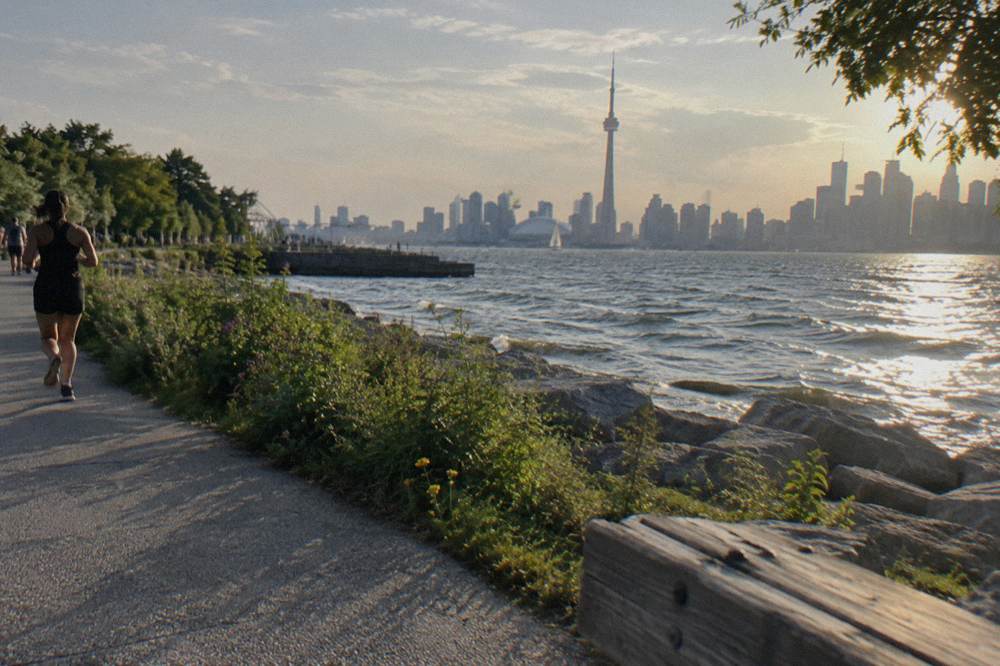
A sample day that threads these together: a morning guided ride along the waterfront and out to the Islands, lunch near the harbour or at St. Lawrence Market, an afternoon browse through the district's galleries while the lanes are still free to enter, then a ticketed evening return for the lights and cabins once the Winter Village window opens. On a December weekend, add the free St. Lawrence Winter Market on Market Street between the two. Nothing in that day requires a car, and every leg sits within a short ride or walk of the next.
For cyclists arriving on their own bike, the district's eastern edge is close to the lower Don and waterfront trail network, and the broader context for riding in from downtown or the west end is covered across Bike Tours Toronto. Locks and racks sit around the district's perimeter, since the interior lanes are pedestrian-only, and visitors arriving by bike in winter should plan for icy patches on any route near the lake.
The final word for the undecided: the district rewards visitors who match their expectations to the season. A lit Winter Village evening in December, a quiet gallery afternoon in May, and the end point of a waterfront ride in July are three different experiences in the same block, and all three are worth the trip.
Common Questions About The Distillery District
Is Distillery District Worth Visiting?
Yes, for most visitors. The car-free Victorian industrial setting is unique in Toronto, and the Winter Village from November 12, 2026 to January 3, 2027 adds a major seasonal draw. It works best as a half-day stop paired with the waterfront or downtown rather than a full-day destination.
Do You Need Tickets For The Distillery Winter Village?
Only at peak times: opening night, Fridays to Sundays after 4 p.m., Thursdays in December after 4 p.m., and daily after 4 p.m. from December 14 to 31. Entry is free Mondays to Wednesdays through December 13 and at other non-peak times. General admission starts at roughly $16 plus fees.
How Much Time Do You Need In The Distillery District?
Two to four hours covers the lanes, shops and a meal for most visitors. Photography-focused visitors and Winter Village evenings run longer; a quick architecture walk can run under an hour. The district is compact and pedestrian-only end to end.
Is The Distillery District Open Year-Round?
Yes. Outside the Winter Village window, standard hours run Monday to Thursday 10 a.m. to 7 p.m., Friday and Saturday 10 a.m. to 8 p.m., and Sunday 11 a.m. to 7 p.m. Individual shops and restaurants keep their own schedules, so confirm a specific venue before a tight plan.
Can You Visit The Distillery District On A Bike Tour Day?
Yes, and it is one of the better pairings. A 3.5-hour guided ride covering the waterfront and Islands or the downtown neighbourhoods finishes with the afternoon and evening free, and the district sits within easy reach of the waterfront trail for a self-guided visit afterward.
What Is The Best Month To Visit?
December for the full Winter Village spectacle, with a ticketed evening for the lights. May through September for warm-weather wandering with thin crowds, when average highs run from 18.8 C to 27.0 C. Late November offers the market's opening with slightly smaller crowds than December peaks.