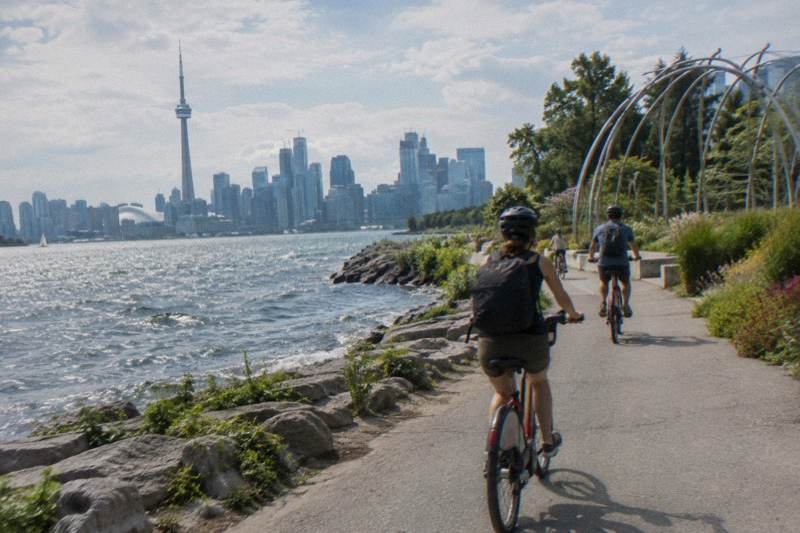
How Long Does It Take To Bike Around Toronto Island?
A guided Islands bike ride runs 3.5 hours including the ferry crossing and stops. Here is what shapes the time, from ferry schedules to seasons, with fares and rules verified.
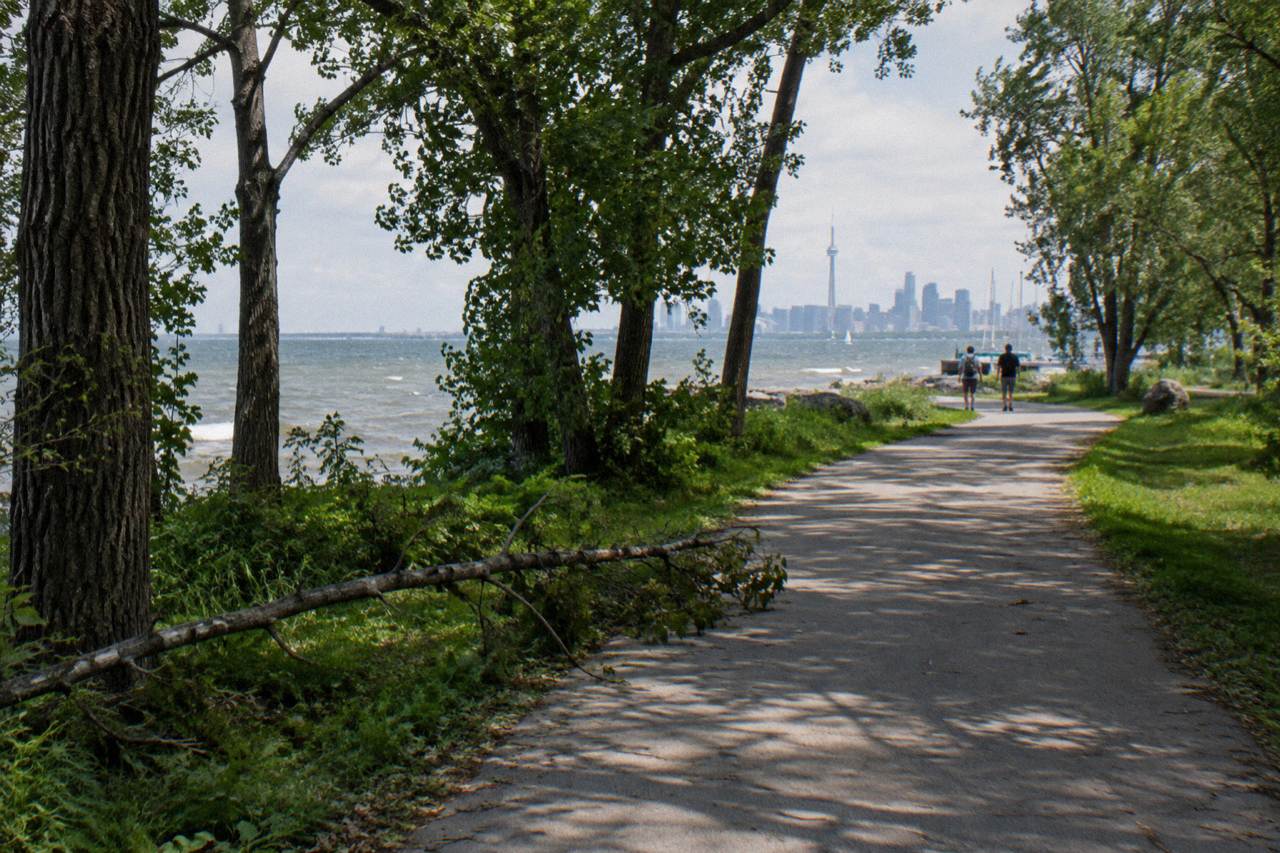
A guided Islands bike ride takes 3.5 hours, start to finish, and that figure comes straight from the tour listings: every bicycle tour of the Toronto Islands on the current options runs 3.5 hours including the ferry crossing and stops. A self-guided lap is different. No verified kilometre total or riding time exists for the island paths, so your time depends on pace, stops and the ferry schedule. Since ferry frequency and tour availability shift with the seasons, our guide to picking the right month for a Toronto visit can help you plan around the weather and the ride schedule.
The 3.5 hour figure is the most reliable anchor a visitor has. It is what operators sell, it includes the boat over and back, and it is long enough for a guide to show the highlights without rushing anyone. If you ride on your own, the honest answer is that it depends: the islands are flat, car-free and laced with paved and gravel trails, so a confident rider moving steadily will finish a circuit of the main paths far sooner than a family stopping at every beach, garden and ice cream stand.
That gap between guided time and self-guided time is the whole reason this question has no single number. What can be verified is the shape of the day: the ferry crossing, the seasons, the rules for bikes on the boat, and what each guided option actually includes. This article works through all of it, and if a detail is not fixed in a verified source, it says so rather than inventing a figure.
There is also a practical reason the question keeps getting asked. Toronto Island is not one destination but a small chain, and visitors routinely underestimate how the ferry, the walking-distance between docks and the lure of the beaches stretch a "quick ride" into an afternoon. Understanding which parts of the day are fixed and which flex is the difference between a relaxed visit and a rushed one, so it is worth taking the timing apart piece by piece rather than guessing at a single number.
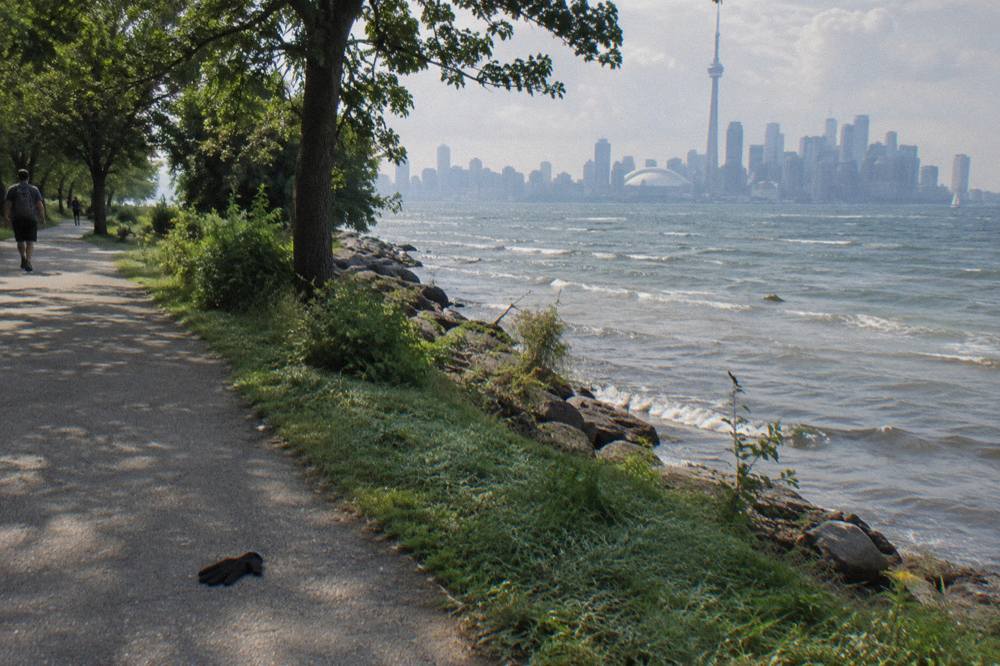
For riders who want the timing question answered by someone else, three guided options cover the Islands, and each states 3.5 hours on its listing:
What The Guided Islands Rides Cover In 3.5 Hours
Every guided bicycle tour of the Toronto Islands states a duration of 3.5 hours on its listing, and that block includes the ferry ride over and back plus stops with the guide. Inclusions vary by listing, so check the booking page for what is provided, but the time commitment is fixed and identical across the guided options. If you'd like to pair your island ride with another stop, our guide to whether the Distillery District is worth visiting explains how to see it by bike or on a guided ride.
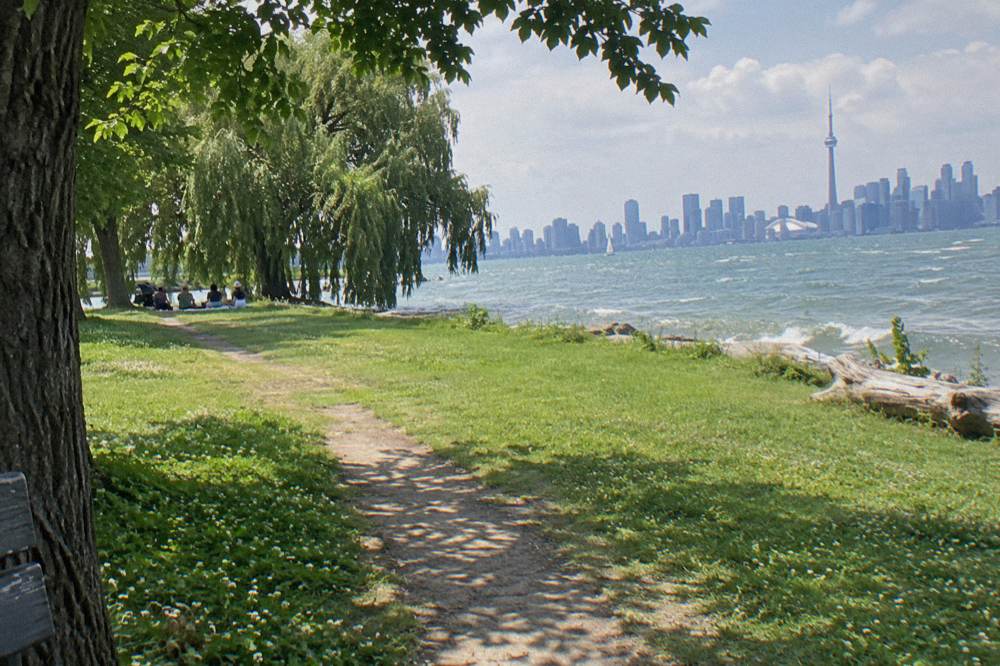
The Morning or Twilight Islands Ride (Toronto Islands: Morning or Twilight 3.5-Hour Bike Tour) is the most flexible of the three on paper, because it offers two departure windows rather than one. The listing states 3.5 hours and a shared-group format on regular bikes. Morning departures suit riders who want calm water and thin crowds; the twilight window trades that for skyline light, which is the single most photographed view on the islands. Which window runs on a given day is a booking-page question, not a promise any article should make.
The Waterfront and Islands Ride (Toronto Waterfront and Islands Guided Bicycle Tour) spends its 3.5 hours differently: part on the mainland waterfront, part on the islands. That suits visitors who want the city-side trail and the island side in one block of time. The Islands Morning Ride covers the islands in the same stated 3.5 hours with a morning start.
One thing worth knowing before comparing prices: some of these listings are the same underlying operator product sold through different booking pages, including the islands morning ride. They are not competing companies with different routes, and any price difference between them is a listing difference, not a quality gap. Comparing the booking pages side by side is fair and useful; treating them as separate products is not.
A guided block solves the timing problem in a second, less obvious way: the operator manages the ferry. Meeting times are set against the sailing schedule, so the 3.5 hours is engineered around the boat rather than fought against it. Riders booking independently should read the meeting point details on the booking page, since those come from the listing and vary between options. For a broader comparison of every guided option in the city, which guided ride to book in Toronto lays out the full decision.
The Ferry Part Of The Time Budget
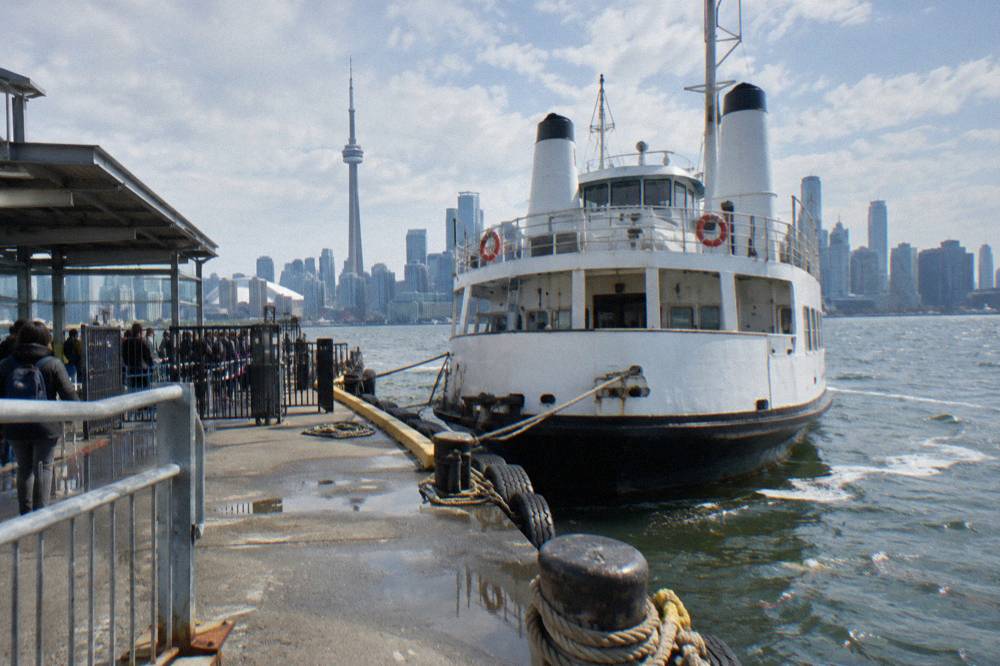
The ferry is not free and not instant: an adult round trip costs $9.57 in Canadian dollars, older adults and youth pay $6.15, juniors $4.51, and infants ride free. In winter, from 14 October 2026 until mid-April 2027, only Ward's Island is served, so the season you visit changes both the wait and where your ride starts.
Those fares are the verified City figures for the round trip, and they sit outside any tour price, which is stated on the booking page in US dollars. Bicycles are welcome on the ferry at no separate verified bike charge, but you must walk them when boarding and getting off, and Bike Share bicycles are not permitted on the ferries at all, which matters if you were planning to island-hop on a docked city bike. E-bikes travel at staff discretion, must be fully powered off on board, cannot be charged on the ferry or at the terminal, and riders with larger e-bikes, roughly 40 kilograms and over, may be directed to the vehicle ferry.
| Passenger | Round-trip fare (Canadian dollars) |
|---|---|
| Adult (20 to 64) | $9.57 |
| Older adult (65 and over) | $6.15 |
| Youth (15 to 19) | $6.15 |
| Junior (two to 14) | $4.51 |
| Infant (under two) | Free |
The schedule matters as much as the fare. Winter service from 14 October 2026 runs to Ward's Island only, with the first departure from the city around 6:30 a.m. and sailings into the late evening, and that pattern holds until mid-April 2027. Full three-route service to Centre Island and Hanlan's Point returns for the core summer window, mid-May to mid-September, with reduced service on the shoulders in spring and fall. Confirm sailings on the City ferry routes and schedules page before you plan a day around them, because the City adjusts service and mechanical issues can affect any sailing.
One verified distance helps with planning on foot or by bike between docks: Centre Island to Ward's Island is about 2.9 km, roughly a 35 minute walk, which gives a sense of the islands' scale without inventing a riding time. If a morning ferry is delayed, a guided tour's schedule absorbs it; a self-guided rider simply loses island minutes. More detail on waits and fares is in our ferry cost breakdown.
How Seasons Change Your Island Riding Time
Toronto's climate normals, not forecasts, set the realistic riding window: July averages a high of 27.0 C against a low of 18.1 C, while January sits between -0.3 C and -6.7 C with 64.6 mm of precipitation. The islands are rideable year-round, but daylight, trail conditions and ferry service all shrink the winter version of the trip.
These figures are the Environment Canada 1991 to 2020 normals for Toronto City, and they describe the long-run pattern rather than any particular week. May through September is the comfortable core: highs from 18.8 C to 27.0 C, with 7 to 9 days per month seeing 1 mm or more of rain. October and November stay rideable at 14.6 C and 8.1 C average highs, but November's 70.8 mm of precipitation makes a wet crossing more likely, and by then the ferry has already dropped to the winter Ward's-only pattern anyway.
| Month | Avg high C | Avg low C | Precip mm |
|---|---|---|---|
| April | 11.7 | 3.9 | 78.0 |
| May | 18.8 | 10.0 | 76.4 |
| June | 24.2 | 15.3 | 81.6 |
| July | 27.0 | 18.1 | 76.5 |
| August | 26.1 | 17.7 | 71.9 |
| September | 22.0 | 13.8 | 69.4 |
| October | 14.6 | 7.7 | 69.1 |
| November | 8.1 | 2.3 | 70.8 |
Season changes self-guided time more than guided time. A summer rider dawdles: beaches, the Music Garden, long skyline stops. A winter rider moves continuously, partly to stay warm and partly because washroom coverage and open amenities thin out in the cold months, though key spots keep year-round washrooms. The guided 3.5 hours does not change with the calendar; what changes is what the light and the foliage do around it, which is exactly why the twilight departure window exists.
Rain strategy matters less than you might expect, too. The normals show summer rain arriving on roughly 8 days a month, but spread across long daylight, a passing shower rarely ends a ride. The bigger seasonal lever is simply the ferry pattern described above: a July visitor gets three docks to choose from, while a January visitor gets one, and that single fact restructures an entire day on the islands more than any temperature line in the table.
Season-planning questions apply to the whole city, not just the islands, and the best time of year for cycling in Toronto works through the same normals month by month.
What Shapes A Self-Guided Loop
No verified kilometre total or lap time exists for the island path network, so an honest self-guided estimate comes down to three variables: your pace, your stops, and how much of the island chain you actually ride. What is verified is that the islands are car-free, flat, and laced with paved and gravel trails, the friendliest possible surface conditions for a slow average speed.
Start with the variables you control. Stops dominate: a rider who pauses at the pier, a beach, the gardens and a food stop can easily spend half a day on the islands without riding hard at any point. Pace matters less than you would think on flat ground, because the constraint is rarely pedalling effort, it is temptation. The third variable is coverage: Ward's Island, Centre Island and Hanlan's Point are separate experiences joined by paths, and riding "around Toronto Island" can mean one lobe or all three, which changes the day substantially.
Then the variables you do not control. Ferry frequency sets the granularity of your exit options: in summer, three routes run; in winter, Ward's only, though with frequent sailings from early morning to late evening. Weather shortcuts or extends any plan, and the normals table above tells you the odds. None of this makes a number up; it tells you where the number comes from. If you want the day scoped by someone who does this professionally, the guided options state their time plainly.
Group composition deserves a final word. A party of confident adults will read every variable one way; a family with children on rental bikes reads it another, and the ferry's walk-your-bike rule adds a few minutes at each end for every rider regardless of speed. None of these factors changes the guided 3.5 hours, which is precisely why visitors who cannot agree on a pace often land on a guided ride as the compromise.
For riders weighing renting versus a guide, the trade-offs are laid out in rental versus guided ride on the Islands.
Bike Rules That Affect The Ride
Ontario law requires cyclists under 18 to wear an approved helmet, and requires a bell or horn, plus a white front light and red rear light or reflector at night. Riding on sidewalks is not allowed in Toronto, with an exception for children under 10, and e-bike riders must be 16 or older with a helmet, capped at a 32 km/h assisted speed and a 500 watt motor.
These rules come from the province's bicycle safety and e-bike pages, and they apply on the islands the same as anywhere in the city. The ferry adds its own layer covered earlier: walk the bike on and off, no Bike Share bikes on board, and e-bike conditions at staff discretion. On the island paths themselves, the absence of private vehicles does a lot of the safety work, but path etiquette around pedestrians still matters, especially near the ferry docks and Centre Island's busier stretches in July and August.
Guided tours handle the equipment side: the listings for the Islands rides include bike use, and the full inclusion list per option is on the booking page. Self-guided renters get the same legal requirements, so a helmet for any rider under 18 is non-negotiable whatever you rent. The full rule set, including reflective tape requirements and the e-bike weight cap, is in Toronto cycling rules, helmets and e-bike law.
Morning, Twilight Or Midday: Timing The Departure
The Morning or Twilight Islands Ride is the only option offering two departure windows, and both fit the same stated 3.5 hours. Morning buys calm water and thinner paths; twilight buys the skyline lit from the island side, and the rest of the day buys convenience at the cost of crowds in peak summer.
The trade is genuinely even, which is unusual. A morning start pairs with the ferry's early first departures and gives you the widest margin if you want to stay on the islands after the tour ends, riding more of the loop on your own. The twilight window compresses that freedom into golden light and the city glowing across the water, and photographers consistently choose it for that reason. Midday, the unguided default, lands you in the thickest July and August traffic on the paths and the longest ferry queues of the day.
The Waterfront and Islands version of the timing question is worth comparing here rather than later, because it spends the same 3.5 hours on a different split between city trail and islands. Riders who care mostly about island time should book an islands-only option; riders who want one tour to stand for the whole waterfront experience get more variety per hour from the combined route. As Bike Tours Toronto covers in its waterfront trail guide, the mainland side alone can absorb a full morning, which is exactly why combining it with the islands in a single guided block appeals to short-stay visitors.
Riders trying to budget a whole island day, ferry waits included, will find the planning detail in how much time you need at Toronto Island.
A Realistic Day Budget, Time And Money
Count the day as ferry time plus riding time plus buffer, and count the money as the Canadian-dollar ferry fare plus whatever the tour or rental booking page states. Guided rides fix the riding block at 3.5 hours; self-guided days flex with stops, but the ferry fare and rules are constants you can plan against today.
| Item | What is verified | Where the number comes from |
|---|---|---|
| Adult ferry round trip | $9.57 CAD | City of Toronto ferry ticket page |
| Youth and older adult ferry | $6.15 CAD | City of Toronto ferry ticket page |
| Guided Islands rides | 3.5 hours stated | Tour listings |
| Tour prices | Stated on the booking page | Varies by option |
| Bike on ferry | Welcome, walk on and off | City ferry rules |
The buffer deserves its own sentence. Summer ferry queues after a record-ridership season are the most common way a careful plan slips, and a rider who aims to be back at the dock one sailing earlier than strictly needed almost never regrets it. Winter simplifies the budget: Ward's only, frequent sailings, thinner crowds, and a 2.6 C average December high that keeps the paths quiet. Money-wise, keep the currencies straight: ferry fares are Canadian dollars, tour prices are quoted in US dollars on their booking pages, and mixing the two is the fastest way to misjudge a day's cost.
The last planning move is the simplest one. Decide before you leave the dock whether the islands are your whole day or one stop in it, because that single decision determines whether the 3.5 hour guided block is your entire ride or just the spine of a longer, looser loop you finish on your own time.
Common Questions About Biking Around Toronto Island
How Long Does It Take To Bike Around Toronto Island?
Guided Islands bike rides state 3.5 hours on their listings, ferry crossing and stops included. A self-guided lap has no verified time or kilometre total: it depends on your pace, your stops and how much of the island chain you ride. The islands are flat and car-free, so stops matter more than speed.
Do The Guided Tours Include The Ferry Ticket?
What each tour includes is stated on its booking page, and inclusions vary between options. The 3.5 hour duration does include the ferry crossing time. Verify the ferry fare treatment with the operator before you book if it matters to your budget.
Can I Take A Bike On The Toronto Island Ferry?
Yes. Bicycles are welcome on board and you walk them when boarding and disembarking. Bike Share bicycles are not permitted on the ferries, and e-bikes travel at staff discretion, fully powered off, with larger e-bikes of roughly 40 kilograms and over possibly directed to the vehicle ferry.
Does The Ferry Run All Year?
Yes, but the schedule changes. From 14 October 2026 until mid-April 2027 the ferry serves Ward's Island only, with frequent daily sailings. Full three-route service to Centre Island and Hanlan's Point runs mid-May to mid-September, with reduced service in spring and fall. Check the City's ferry page before you go.
Is One Time Of Day Better For The Ride?
Morning offers calm water and thinner paths, twilight offers the lit skyline from the island side, and the Morning or Twilight Islands Ride offers both windows within its stated 3.5 hours. Midday in July and August brings the thickest path traffic and the longest ferry queues of the day.