Best Time Of Year To Cycle In Toronto
Toronto's riding season stretches far longer than most visitors expect, and the lake decides more of it than the calendar does.
Short answer
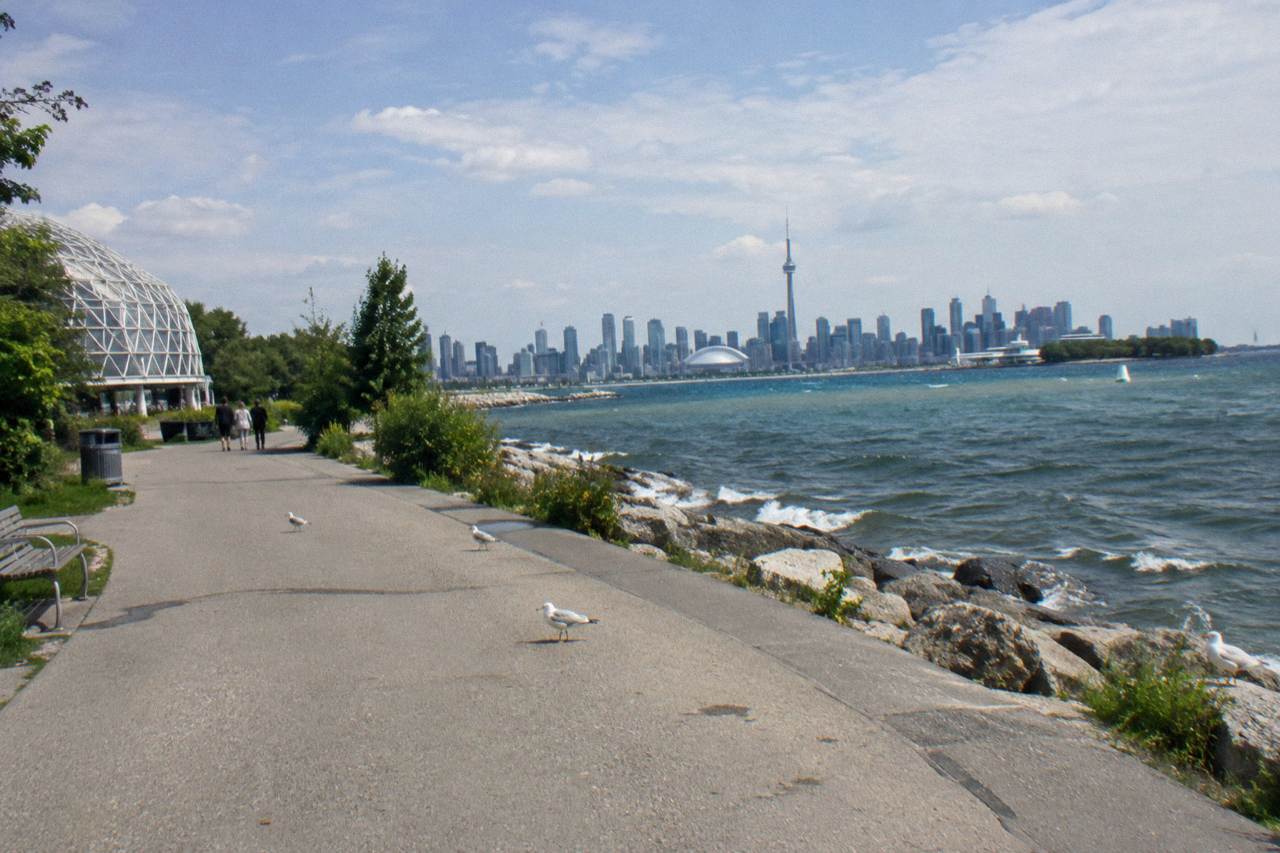
Late May through early October is the core cycling season in Toronto, when average highs run from 18.8 C to 27.0 C and the full three-route Island ferry operates. September is the sweet spot: a 22.0 C average high, the lake still warm, and thinner crowds after the summer peak.
Toronto sits on the shore of a lake big enough to behave like a small sea, and that single geographic fact shapes every cycling season in the city. The water cools spring mornings, holds summer humidity down near the shoreline, and turns the November wind into something that finds every gap in a jacket. Pick the right month and the waterfront trail, the Islands and the downtown neighbourhoods line up into one of the most rideable cities in Canada. Pick the wrong one and you are bargaining with a headwind. For a wider view, the comparison of Canada's most bike-friendly cities looks at how Toronto stacks up against the rest of the country.
This guide walks through the year month by month using Environment Canada's 1991 to 2020 climate normals for Toronto City, the City of Toronto's published ferry seasons, and the seasonal realities of the guided rides listed here. The short version: the riding window is wide, the shoulders of the season are underrated, and winter riding exists but changes the plan completely. If you're planning the trip around more than the bike, the month by month breakdown of the best time to visit Toronto shows how festivals, crowds, and ferry schedules line up with the calendar.
When Is The Best Time Of Year To Cycle In Toronto?
The best window for cycling in Toronto runs from late May through early October, with September as the standout month: a 22.0 C average high, 69.4 mm of rain across 7.7 wet days, warm lake water, and the full three-route Island ferry still running. June through August works too but adds humidity and peak crowds, while late April and May trade cooler air for empty paths and lower ferry queues.
The numbers behind that recommendation come from the Environment Canada 1991 to 2020 normals for the downtown Toronto City station, which are long-run averages rather than forecasts for any specific week. September's 13.8 C average low means morning rides start cool rather than cold, and the lake, which warms slowly all summer, keeps the afternoon air near the waterfront steadier than inland. October is still genuinely rideable at a 14.6 C average high, but the odds stack up against you: 8.3 days with measurable rain and the first real autumn storms.
| Month | Avg high C | Avg low C | Precip mm | Days with 1 mm+ |
|---|---|---|---|---|
| January | -0.3 | -6.7 | 64.6 | 10.5 |
| February | 0.6 | -6.0 | 53.9 | 8.4 |
| March | 5.1 | -1.8 | 52.8 | 8.4 |
| April | 11.7 | 3.9 | 78.0 | 9.4 |
| May | 18.8 | 10.0 | 76.4 | 9.3 |
| June | 24.2 | 15.3 | 81.6 | 8.4 |
| July | 27.0 | 18.1 | 76.5 | 8.2 |
| August | 26.1 | 17.7 | 71.9 | 7.2 |
| September | 22.0 | 13.8 | 69.4 | 7.7 |
| October | 14.6 | 7.7 | 69.1 | 8.3 |
| November | 8.1 | 2.3 | 70.8 | 9.0 |
| December | 2.6 | -2.7 | 57.8 | 9.3 |

One thing the table cannot show is wind. Lake Ontario generates a reliable onshore breeze on summer afternoons, which is a gift on a 27 C day in July and a headache on a raw one in November. Riders planning long waterfront stretches should think about direction: the Bike Tours Toronto perspective on the Martin Goodman Trail, which runs 20-plus km along the waterfront from the western to the eastern beaches, is that an out-and-back in wind is a different ride depending which half comes first. Our Martin Goodman Trail cycling guide covers the routing in detail.
Precipitation is remarkably flat across the year, 52.8 mm in March against 81.6 mm in June, so no month buys you dry weather. What changes is the form it comes in and how fast paths dry afterward. A July shower passes in an hour; a November one can settle in for a day.
What Does Summer Cycling In Toronto Feel Like?
Summer is Toronto's peak riding season, with average highs of 24.2 C in June, 27.0 C in July and 26.1 C in August, full three-route ferry service to the Islands, and every guided ride in the city running its complete schedule, offset by humidity, peak crowds and the busiest ferry queues of the year. July and August afternoons regularly exceed those averages, and the lake breeze that cools the waterfront barely reaches the downtown streets.
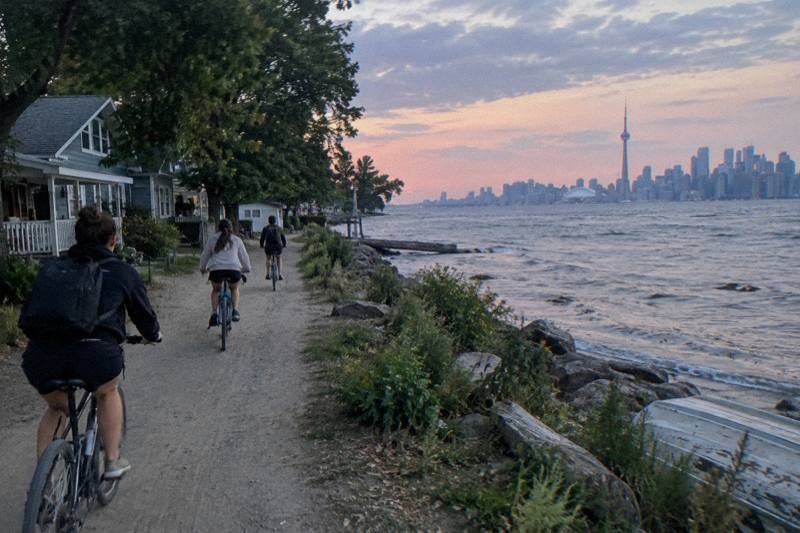
The humidity is the honest caveat. An 18.1 C July overnight low means mornings stay warm, and the hottest part of the day lands between early and mid afternoon. That is exactly why the timing of a ride matters more in summer than in any other season. A morning departure puts you on the Islands while the air is still moving and the ferry queue is short; a twilight departure trades the coolest hours for golden light over the water and a city cooling down. The Morning or Twilight Islands Ride, a 3.5-hour guided classic-bike ride, is built around exactly this choice, and it runs both slots through the summer.
Crowds are the second summer tax. August 2026 set a record of more than 423,000 ferry trips in a single month, driven partly by a free senior and youth ride program that pushed senior ridership up roughly 60 percent and youth up about 44 percent, and while that program's future is a City decision, the underlying pattern holds: July and August are the months when the Jack Layton Ferry Terminal queue is longest on warm weekends. Midweek mornings are the escape valve. The ferry fare itself is unchanged by season, an adult round trip costs $9.57 in Canadian dollars, with older adults and youth at $6.15, juniors at $4.51 and infants free.
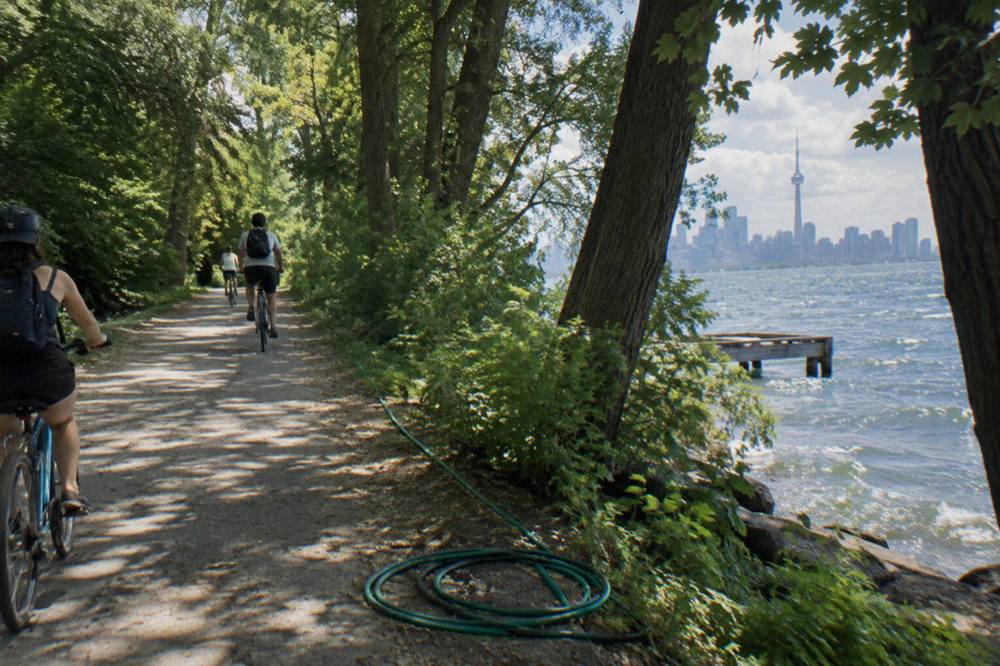
Summer is also when the free layer of the city peaks. The Toronto Music Garden at 479 Queens Quay West runs its Summer Music in the Garden series from June 21 to August 27, with free performances Thursdays at 7 p.m. and Sundays at 4 p.m., more than 20 Canadian artists across the run. Riding the waterfront trail to a free concert is the quintessential cheap Toronto summer evening, and the trail itself costs nothing. Our Toronto waterfront trail by bike guide maps the options end to end.
For rides that stay downtown, heat changes the calculus less than you would think, because the neighbourhood tours move between shaded streets. The Heart of Downtown Ride, 3.5 hours with snacks included per the listing, mixes downtown streets and green spaces; snacks and a slower neighbourhood pace suit a warm day better than a flat-out waterfront sprint. Check the booking page for what a given departure includes.
Is Spring Or Fall Better For A Toronto Bike Ride?
Fall is the better shoulder for most riders: September averages a 22.0 C high against May's 18.8 C, the lake is at its warmest, wet-day counts are nearly identical, and the reduced fall ferry schedule still serves all three Island routes until the winter switch in mid-October. Spring's advantage is emptier paths and the first warm-weather energy in the city, paid for with a cold lake, a blustery April, and ferry service that only returns to all routes in mid-May.
Both shoulders beat the extremes if your priority is riding rather than swimming. April is the trickiest spring month, 11.7 C on average but with 78.0 mm of precipitation over 9.4 wet days, the wettest of the twelve, and a lake cold enough to keep waterfront mornings raw. By late May the math flips: 18.8 C highs, long evenings, and the full summer ferry schedule starting mid-May. Cyclists planning an Islands trip in spring should confirm the sailing on the City's ferry routes and schedules page, because the reduced-service window between mid-April and mid-May does not yet run every route at summer frequency.
Fall has one hard edge and it comes fast. Reduced three-route service runs only from mid-September to mid-October, and from 14 October the ferry drops to Ward's Island only until mid-April. An October Islands ride is lovely, 14.6 C average high and the maples turning, but after the second week of the month your cycling trip to the Islands routes through a single dock. The City's ferry ticket page confirms fares and boarding rules, including that bicycles are welcome aboard but must be walked on and off.
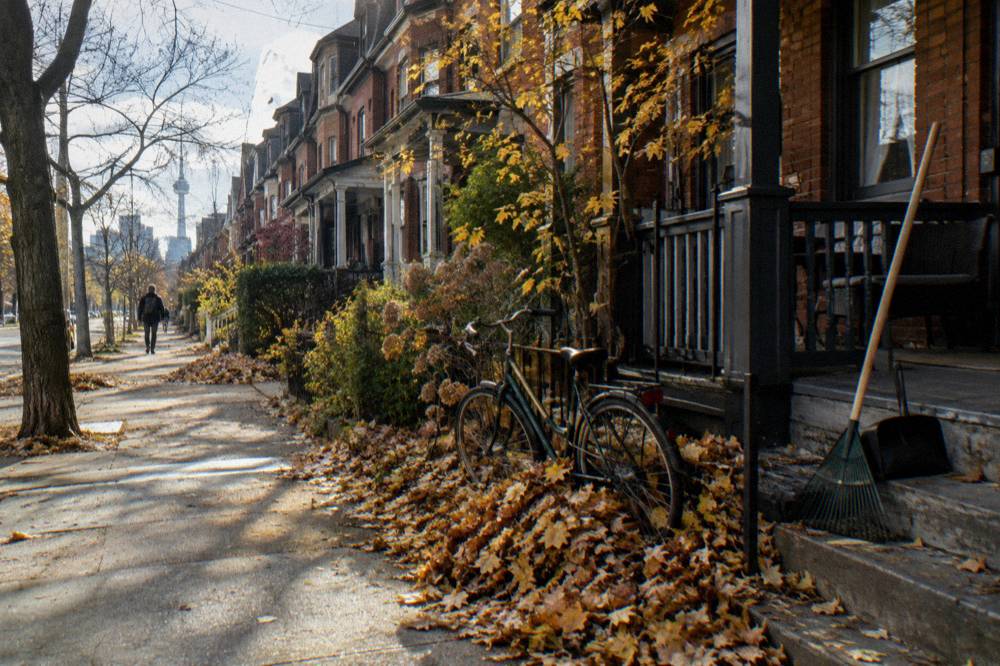
Late October 2026 gave shoulder-season riders a taste of how variable the edges are: Toronto Pearson recorded about 22.2 C on 29 October, breaking a daily record that had stood since 1946. That is not a promise of anything, it is a single data point, but it explains why locals keep riding well into November some years. The climate normals describe the average, not the ceiling.
Shoulder season is also where the morning-versus-evening choice matters least. In May and September a midday departure misses neither the cool of morning nor the glow of evening, so tour timing becomes about ferry queues and your own schedule rather than heat management. Our sunrise, morning and twilight island rides guide compares the departure windows in depth.
One more fall note for riders who like their seasons vivid: the Distillery District's Winter Village opens November 12, 2026 and runs to January 3, 2027, and while the market itself is a walking experience, the ride down through the eastern waterfront to reach it is one of the city's better autumn rolls. Our Distillery District by bike guide covers the approach.
Can You Cycle In Toronto In Winter?
Yes, but winter cycling in Toronto is a different sport: average highs sit at -0.3 C in January and 0.6 C in February, the Island ferry runs to Ward's Island only, and the guided ride calendar thins out sharply, so most visitors who ride in winter do it on the mainland trail network rather than on a booked tour. The city counted 110.1 km of cycle tracks and 399.3 km of multi-use trails as of December 2025, and the paved waterfront trail is cleared and rideable year-round in normal conditions. For the bigger picture beyond the winter months, the full verdict on Toronto as a biking city weighs trail coverage, bike lane changes, island access, and which guided rides suit each season.
The lake is the winter story again, but in reverse. Water that spent all summer absorbing heat now releases it, keeping the immediate waterfront a degree or two milder than inland, and turning any west or east wind along the shore into a proper chill factor. The normals say 10.5 days with measurable precipitation in January, and in deep winter that arrives as snow, rain or the Toronto special, rain that freezes overnight. Ice, not cold, is the actual hazard, and shaded trail underpasses hold it longest.
Dressing for it is a solved problem: layers, windproof outer, gloves rated below freezing, and lights, since Ontario law requires a white front light and a red rear light or reflector when riding between a half hour before sunset and a half hour after sunrise, with reflective tape on the forks. Cyclists under 18 must wear an approved helmet under the same provincial rules, which our Toronto cycling rules and helmet law guide sets out in full.
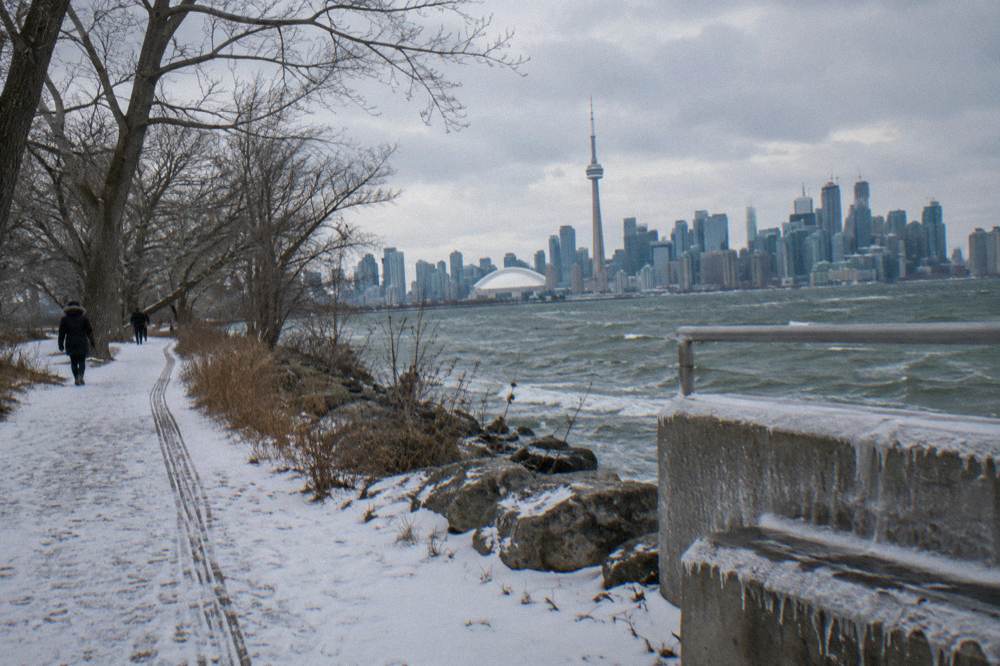
Winter visitors who still want a guided two-wheeled experience should check the booking page for winter dates before assuming anything, since schedules contract after October and the Island options depend on the Ward's-only ferry. The mainland holds up better: the Don Valley trails, including the 3.3 km East Don Trail phase that opened in July 2026, and the Brick Works and Don Valley by bike route stay reachable, and Evergreen Brick Works runs its pay-what-you-can Winter Market on four Sundays, November 29 and December 6, 13 and 20, 2026, suggested $5 per person or $20 per family, which makes a fine cold-day destination.
February brings the indoor consolation prize, Toronto Bike Fest at the International Centre, February 19 to 21, 2027, an expo with demos and brands tied to the Outdoor Adventure Show. It is a train or car trip rather than a ride, but for cyclists stuck in the dead of winter it is where the next season starts.
How Does The Island Ferry Season Shape Your Ride?
The ferry calendar is the single biggest seasonal constraint on Toronto cycling: full three-route service to Centre Island, Hanlan's Point and Ward's Island runs only mid-May to mid-September, reduced service covers mid-April to mid-May and mid-September to mid-October, and from 14 October 2026 through mid-April 2027 only Ward's Island is served. If your ride depends on reaching a specific island dock, the sailing schedule matters as much as the weather.
Bicycles are welcome aboard, walked on and off, and Bike Share bicycles are not permitted on the ferries at all, which matters for riders assuming they can hop a ferry on a borrowed bike. E-bikes travel at staff discretion, must be fully powered off on board, cannot be charged on the ferry or at the terminal, and larger e-bikes, roughly 40 kilograms and over, may be directed to the vehicle ferry instead. Since the two e-bike listings on this site fall inside the normal assisted-weight range, the practical answer for a guided e-bike ride is to ask the operator how they handle the crossing; the e-bike or regular bike on a Toronto tour guide works through the choice.
| Ferry period | Routes served | What it means for cyclists |
|---|---|---|
| Mid-May to mid-September | All three: Centre, Hanlan's, Ward's | Full Islands access, longest queues on hot weekends |
| Mid-April to mid-May | Reduced, all three routes | Islands open, fewer sailings, plan around the schedule |
| Mid-September to mid-October | Reduced, all three routes | Prime fall riding with thinner crowds |
| 14 October to mid-April | Ward's Island only | Only one dock served; confirm before planning a ride |
The ferry system is also mid-renewal. The City unveiled the names of its first new ferries in more than 60 years in May 2026: the Lady of the Quays, a passenger and vehicle vessel expected in late 2026 with public service in spring 2027 after testing, and the Toronto Islander, a passenger-only ferry expected in 2027, with charging infrastructure targeted for completion by the end of 2026. None of that changes a ride you book this winter, but it signals capacity improvements through 2027. A public survey on revitalizing the Ward's, Centre and Hanlan's landings closed November 1, 2026.
Which Season Suits Which Guided Ride?
Match the ride to the season rather than the reverse: Islands rides shine from late May through early October when all ferry routes run, the downtown and neighbourhood rides run across the widest calendar since they never board a boat, and morning or twilight departures are the summer-specific decision. Every guided listing on this site runs about 3.5 hours, so the seasonal question is less about distance and more about heat, light and ferry timing.
| Ride | Format | Season where it fits best | Why |
|---|---|---|---|
| Morning or Twilight Islands Ride | Classic bike, shared | June to August especially | Dodges midday heat; twilight uses the long light |
| Heart of Downtown Ride, snacks included | Classic bike, shared | April to October | Shaded streets and neighbourhood pace handle warm afternoons |
| Waterfront and Islands guided ride | Classic bike, shared | Late May to early October | Combines the trail and the Islands, so it leans on full ferry service |
| Sunrise breakfast ride, breakfast included | Classic bike, shared | Summer shoulder months | Earliest departure of the set; coolest hours of the day |
| E-bike city and neighbourhoods ride | E-bike, shared | Any month in the core season | Assist flattens headwind and heat on longer neighbourhood loops |
The sunrise option deserves its own word: it is the only ride in the set with breakfast included per the listing, and it targets the coolest, calmest hours of the summer day. The e-bike option, one of only two e-bike rides offered in the city, earns its place in July and August, when the assist turns a warm neighbourhood loop from a workout into a tour. Ontario's e-bike rules cap assisted speed at 32 km/h and require riders to be 16 or older with an approved helmet, which the operator manages for you on a guided ride.
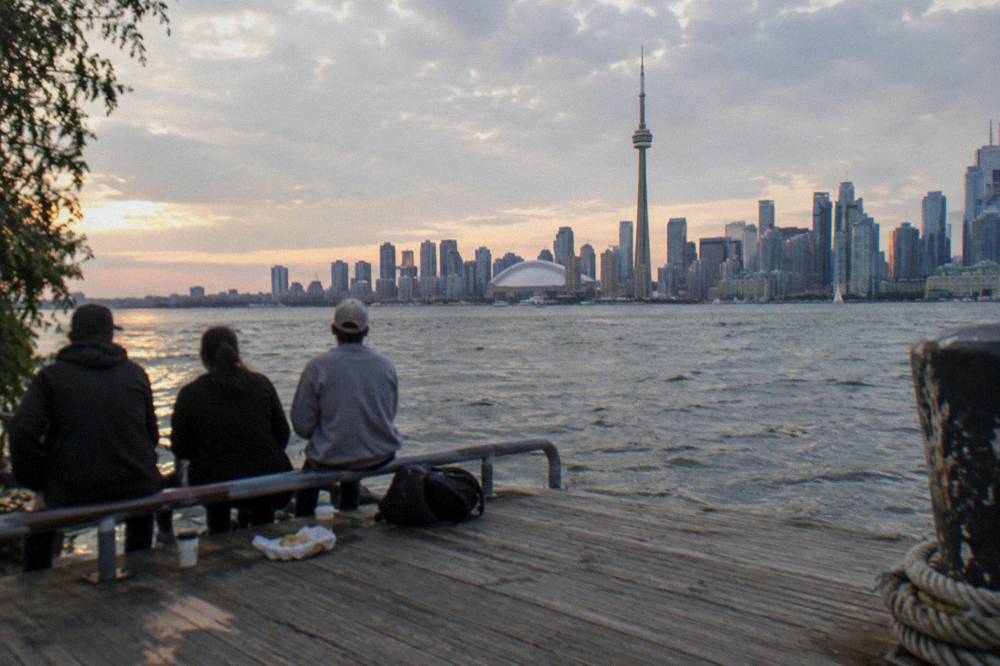
Timing within the day is the quiet lever most first-time visitors miss. In high summer, a morning Islands start beats both the heat and the late-morning ferry queue; a twilight start trades queue pressure for the best light of the day over the water. In May, June and September, either slot is comfortable and the choice comes down to your schedule. Prices and exact departure windows live on the booking page, and they shift with the season, so treat the listing as the source for the month you actually hold.
For a fuller comparison of the whole field, including the downtown and e-bike alternatives, our guide to which guided bike ride to book in Toronto walks the decision from the top. Renting instead? The Island rental versus guided ride comparison splits the question by island and mainland.
What Should You Wear And Pack By Season?
In summer, ride in breathable layers with sun protection and carry water; in the shoulder months, add a windproof layer for the lake breeze and lights for the shorter days; in winter, dress for below-freezing wind chill with gloves, warm layers and full lighting, and expect ice rather than cold to be the real constraint. The lake temperature lags the air by weeks in both directions, so waterfront wind feels colder than the downtown reading in every month except high summer.
| Season | Avg high / low C | Core clothing | Likely addition |
|---|---|---|---|
| June to August | 24.2 to 27.0 / 15.3 to 18.1 | Breathable shirt, shorts, sunscreen, sunglasses | Light layer for the ferry deck |
| May, September | 18.8 to 22.0 / 10.0 to 13.8 | Layers, light jacket for morning | Full windbreaker near the water |
| April, October | 11.7 to 14.6 / 3.9 to 7.7 | Warm layers, gloves, lights | Rain shell; check the forecast |
| November to March | -0.3 to 8.1 / -6.7 to 2.3 | Winter kit, insulated gloves, lights | Studded caution on ice, trails may be slick |
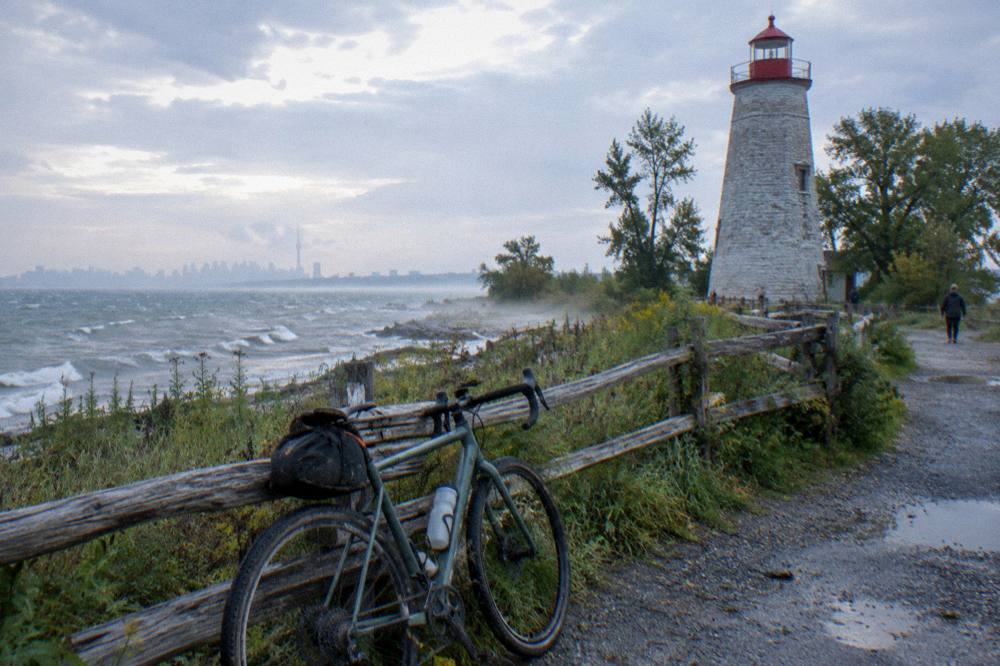
Ontario's equipment law applies year round: a bell or horn, and after dark a white front light plus a red rear light or reflector, with reflective tape on the forks, and a helmet for every rider under 18. The what-to-bring checklist for a Toronto ride carries the full list. On rain, the honest planning number is the wet-day count: no month of the year drops below 7.2 days with 1 mm or more of precipitation, so a rain shell earns its space in every season, and the trails drain fastest on the paved waterfront stretches.
The last seasonal factor is daylight itself. A 3.5-hour ride that starts at 9 a.m. finishes mid-afternoon in any month; a twilight departure in June ends in full evening light, while the same departure in late September is a different ride entirely. Operators shift their slots with the calendar, which is one more reason the booking page for your exact month is the final word on timing.
Common Questions About The Best Time To Cycle In Toronto
What Is The Best Month To Cycle In Toronto?
September. The average high is 22.0 C, wet days sit at 7.7 for the month, the lake is at its warmest of the year, and the reduced fall ferry schedule still serves all three Island routes until mid-October.
Can You Bike In Toronto In The Winter?
Yes. The city counted 110.1 km of cycle tracks and 399.3 km of multi-use trails as of December 2025, and the paved waterfront trail is a year-round route, but average January highs sit at -0.3 C and the Island ferry runs to Ward's Island only from mid-October to mid-April.
When Does The Toronto Island Ferry Run All Routes?
Full three-route service to Centre Island, Hanlan's Point and Ward's Island runs mid-May to mid-September. Reduced service covers the shoulder weeks, and from 14 October 2026 only Ward's Island is served until mid-April 2027.
Is Toronto Too Humid For Cycling In July?
July averages a 27.0 C high and an 18.1 C low, so it is warm but manageable. Morning and twilight ride departures avoid the hottest hours, and the lake breeze keeps the waterfront cooler than the downtown streets.
Do Guided Bike Rides In Toronto Run Year Round?
The core season is spring through fall. Islanders options depend on ferry service, and schedules thin after October, so check the booking page for the month you plan to visit rather than assuming winter dates.
What Should I Wear For A Toronto Bike Ride In May?
Layers with a windproof outer layer. May averages an 18.8 C high but a 10.0 C low, and the still-cold lake keeps waterfront mornings breezy well into the month.