How Long Is The Wait For The Toronto Island Ferry?
No single ferry wait time holds true year round. Here is how Toronto Island ferry waits actually vary by season, schedule and crowd, with fares and bike rules for riders.
There is no verified single wait time for the Toronto Island ferry, because the queue changes with season, day of week, time of day and weather. In winter the boats run a published schedule with roughly 15-minute frequency between the city and Ward's Island, while a summer weekend afternoon can fill a sailing entirely. Treat any fixed minute figure you read online with suspicion and plan around the schedule instead.
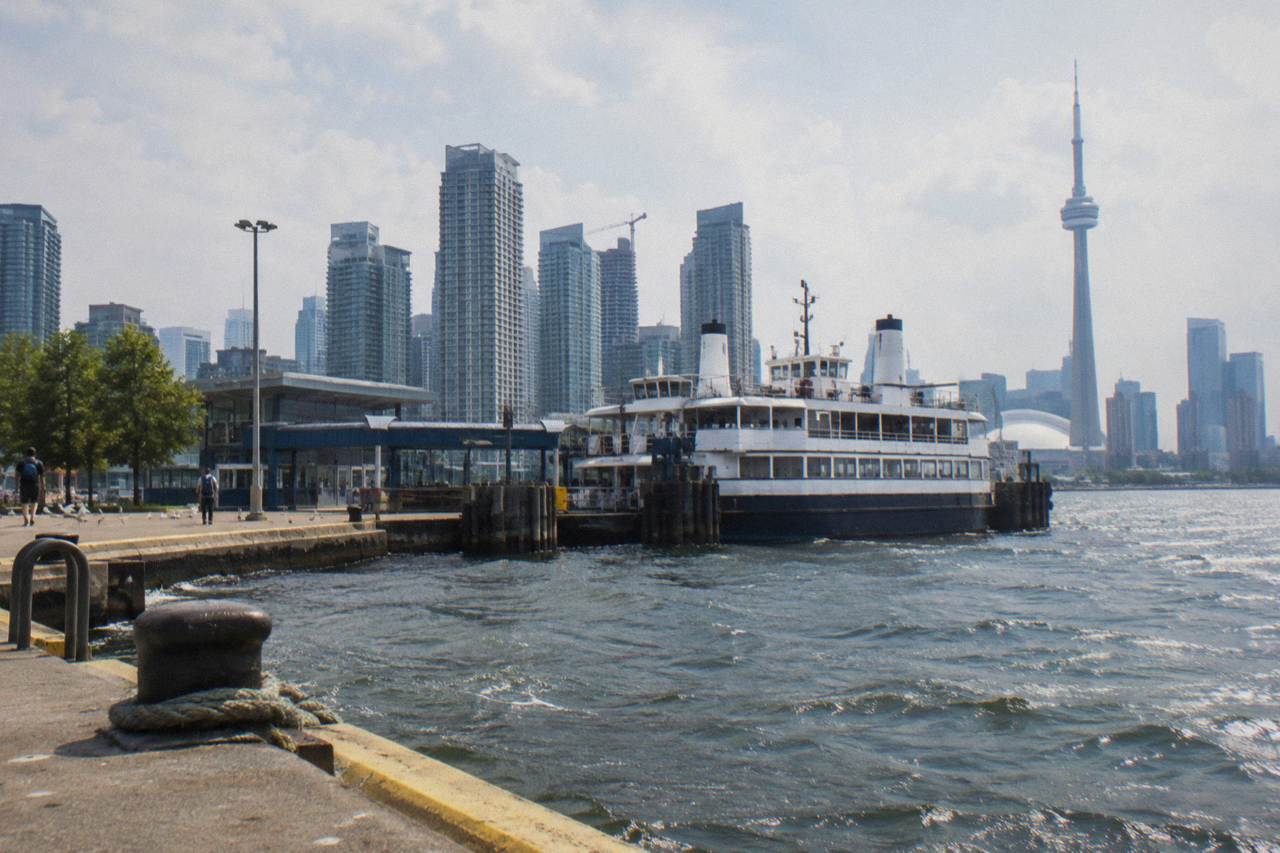
The honest answer starts with how the ferry system is built. There are three summer routes, Jack Layton Ferry Terminal to Centre Island, Ward's Island and Hanlan's Point, and boats leave on a timetable rather than on demand. If a sailing is full, the crowd rolls to the next departure. If a sailing is empty, you walk straight on. The wait is therefore a function of how many people are in front of you and how tight the gap to the next boat is, and both of those move constantly through the year and even through a single day.
What can be stated with confidence is the shape of the pattern. Midweek mornings outside peak summer are the calmest moments at the terminal. Saturday and Sunday afternoons from late June through August are the heaviest, and holiday weekends add a further layer. Weather cuts both ways: a gray, cool day thins the line dramatically, while the first genuinely hot weekend of summer can push demand to seasonal highs. None of this is a promise, it is a range of conditions, and the operator's own schedule page is the reference to check before you leave home.
For cyclists there is one extra wrinkle that matters more than the number of minutes in line. Bicycles are welcome aboard, and you walk them on and off, but Bike Share bicycles are not permitted on the ferries at all. That single rule shapes the whole decision between riding a shared bike on the mainland and taking a guided Islands ride or a rental across on the boat. If you want the full picture on tickets and bike handling, the companion piece on ferry fares and bike rules covers the details, and the planning guide to taking the Toronto Island ferry with a bike walks through the terminal itself.
If your real goal is a cycling day on the Islands and the ferry queue feels like friction, the guided rides absorb that friction for you. The tour leaders know the sailings, time the arrivals, and in several cases include the crossing in the trip plan, which is why they anchor the options below.
The three rides above approach the ferry differently. The morning and twilight format deliberately targets the shoulders of the day, when the terminal is at its calmest. The combined waterfront and Islands route treats the crossing as one leg of a longer loop rather than the whole event. The morning Islands ride is a separate listing of the same operator product from a different seller, so read both booking pages rather than assuming they differ in substance.
What Time Do Ferries Leave And How Often?
In winter service, from 14 October 2026 to mid-April 2027, boats run only to Ward's Island, with the first departure from the city at about 6:30 a.m., the first from the island at about 6:45 a.m., and roughly 15-minute frequency through the day until the last sailing near 11:45 p.m. Summer runs all three routes on a wider published timetable. Check the schedule page for the day you travel.
Those winter numbers are the only frequency figures that can be stated plainly, because they come from the City's own published schedule for the Ward's-only winter pattern. Winter frequency is the baseline case: if you show up at the terminal on a November Tuesday, the gap to the next boat is normally measured in a quarter hour, and the queues are short because island traffic in cold months is mostly residents and determined walkers. The trade-off is that Centre Island and Hanlan's Point have no service at all in this window, so your destination is fixed for you.
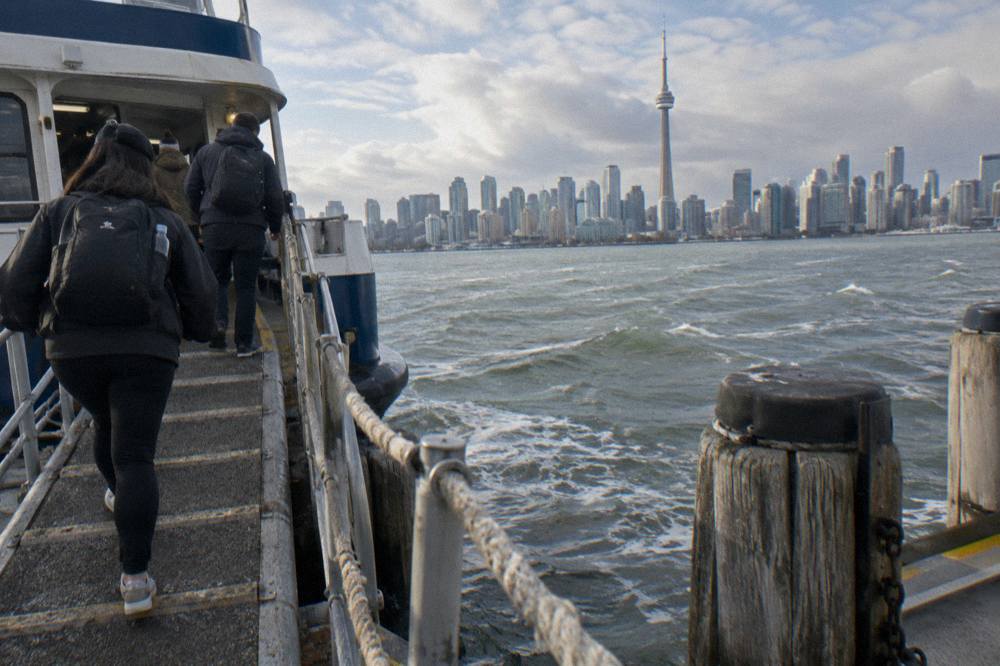
Summer reverses the logic. From mid-May to mid-September the full three-route service runs, which means more boats and more capacity, but also far more people. Ferry investment is real: the City has two new electric vessels on the way, the first new ferries in more than 60 years. None has been delivered yet. The Lady of the Quays is expected in late 2026, with passenger service starting in spring 2027 after testing, and the Toronto Islander to follow. More capacity is coming, but on the day you ride, the current fleet is what carries you.
Between the seasons sit two reduced-service windows, roughly mid-April to mid-May in spring and mid-September to mid-October in fall, when all three routes still run but with fewer departures than summer. These shoulder weeks are quietly some of the best cycling windows of the year: the Islands are open, the crowds are thinner, and September normals still average a daytime high of 22 C against a 13.8 C overnight low.
| Service window | Routes running | What it means for your wait |
|---|---|---|
| Winter, 14 Oct 2026 to mid-April 2027 | Ward's Island only | Roughly 15-minute frequency, short queues, one destination |
| Spring shoulder, about mid-April to mid-May | All three, reduced | Fewer sailings than summer, moderate demand |
| Summer, mid-May to mid-September | All three, full service | Most capacity, but peak crowds on weekends |
| Fall shoulder, about mid-September to mid-October | All three, reduced | Thinning crowds, fewer departures |
One scheduling habit beats every other wait-shaving trick: aim for a sailing early in the day. Morning departures have shorter lines in every season, the islands are cooler for riding, and if you do miss a boat you have the whole day to absorb it rather than a shrinking margin of daylight. The sunrise and morning formats exist for exactly this reason, and the guide to morning and twilight rides on the Toronto Islands breaks down the timing logic in full.
Does The Ferry Wait Change With The Seasons?
Yes, and more than most visitors expect. August 2026 set a record with more than 423,000 ferry trips in a single month, driven partly by free senior and youth rides that lifted senior ridership by about 60 percent and youth ridership by about 44 percent. Demand that heavy reshapes queues on peak days, while a midwinter weekday is a different world entirely.
That August figure deserves context, because it explains why summer waits can defy expectations even on ordinary days. The free-ride promotion ran only that month, but it demonstrated the ceiling of the system's demand. When the boats are moving that many people, a sunny August Saturday fills sailings back to back, and the practical response is not to fight the queue but to sidestep it: travel before late morning, travel midweek if you can, or let a guided ride handle the timing.
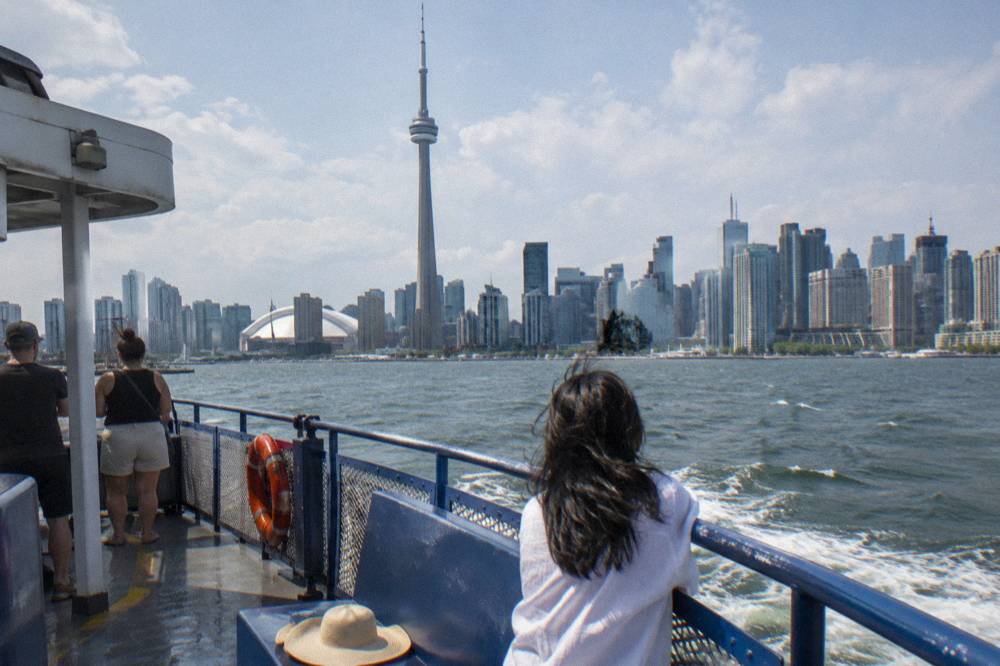
The weather dimension is worth internalizing too. The climate normals for Toronto show July averaging a high of 27 C with about 8 days of measurable rain in the month, and June nearly as warm with slightly more precipitation. The first hot, dry weekend after a stretch of rain reliably produces the longest lines of the summer, because everyone postpones or plans at once. A cloudy 20 C Saturday, by contrast, often feels like a private island. Cyclists have an advantage here: a gray day that keeps beach crowds home is still a fine day to pedal flat island trails.
Winter asks a different question. With Ward's-only service and roughly quarterly-hour frequency, the winter wait is usually trivial, but the ride itself is a commitment: January normals sit at a daytime high of minus 0.3 C and an overnight low of minus 6.7 C. Layered riders do use the islands in winter, and the resident-focused schedule means early and late sailings exist all year. If a winter crossing is on your list, the Ward's schedule is the one to read line by line, since it is the only route.
The seasonal spread also matters for what you will find when you land. Summer brings the beaches, the rental fleet at full strength and the full complement of food outlets. The shoulder seasons bring quiet paths, migrating birds and open trails with room to breathe. The trade between queue length and island crowds is roughly inverse: the weeks when the wait is shortest are often the weeks when the riding is best.
How Much Does The Ferry Cost And Can You Bring A Bike?
A round-trip adult ferry ticket costs $9.57, with older adults and youth at $6.15, juniors at $4.51 and infants free, all in Canadian dollars. Bicycles ride along at no separate verified charge, walked on and off; Bike Share bikes are not permitted, and e-bikes travel at staff discretion, powered off, with larger machines possibly directed to the vehicle ferry. For the full breakdown of what each ticket covers and how a bike factors into the price, our guide to Toronto Island ferry ticket costs lays it all out.
Those fares are the City's published round-trip prices, and the Canadian-dollar basis matters if you are comparing them against tour prices quoted in US dollars, so keep the two currencies apart in your head. Tickets are round-trip regardless of which dock you return from, which is useful for cyclists who land at one island and ride to another departure point. Online tickets remain valid to the end of the year, which makes pre-buying on a quiet evening one of the better ways to shorten your time at the booth.
| Passenger | Round-trip fare, Canadian dollars |
|---|---|
| Adult, 20 to 64 | $9.57 |
| Older adult, 65 and over | $6.15 |
| Youth, 15 to 19 | $6.15 |
| Junior, 2 to 14 | $4.51 |
| Infant, under 2 | Free |
The bike rules come straight from the City's ferry ticketing page. Bicycles, strollers, wagons and paddle craft are all welcome aboard, provided you walk your bike when boarding and disembarking. The Bike Share ban is absolute and catches many visitors: a bike borrowed from a mainland station cannot cross, and island-based Bike Share stations are stocked with island-based bikes. E-bikes board at the discretion of staff, must be fully powered off for the crossing, cannot be charged on board or at the terminal, and riders with larger e-bikes, roughly 40 kilograms and over, may be asked to use the vehicle ferry instead.
If you are weighing e-bikes generally, the legal picture in Ontario requires riders to be 16 or older, wear an approved helmet, and stay within a 32 km/h assisted speed and a 500-watt motor limit. The comparison guide on choosing an e-bike or a regular bike for a Toronto tour works through which format suits the islands' flat terrain, and the rundown on Toronto cycling rules, helmets and e-bike law covers the rest of the legal framework.
Practically, the fare plus the walk-on routine makes the ferry one of the friendliest bike crossings anywhere. The part that costs you time is not the ticket or the boarding, it is the queue in front of the gangway, which returns us to season and clock.
Can A Guided Islands Ride Handle The Ferry For You?
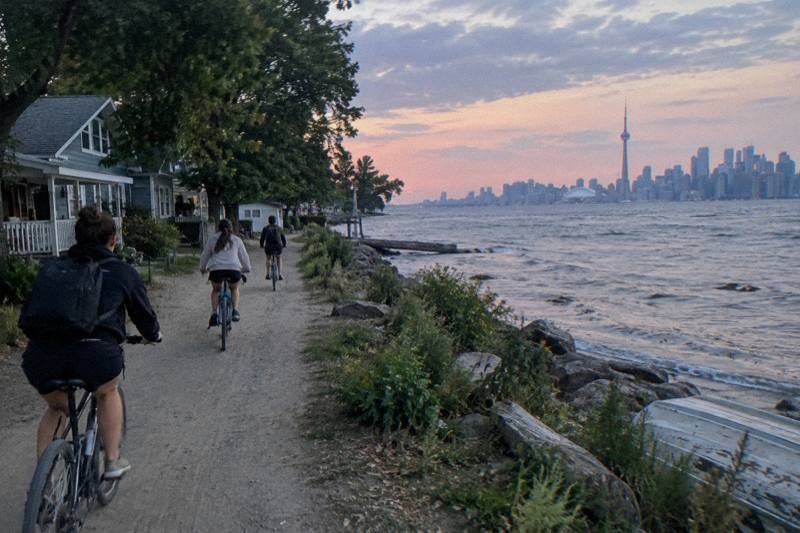
Several guided rides build the crossing into their itinerary, which removes the guesswork of sailings and queues from your day. The 3.5-hour morning or twilight Islands ride deliberately times its departures for the calm ends of the day, while the combined waterfront and Islands route folds the ferry into a longer loop that starts on the mainland trail network.
This is the strongest argument for a guided trip on the islands specifically, and it is not about the bikes. A guided ride arrives at the terminal with a plan, not a hope. The leaders know which sailing to target, where the queue forms, and how the day's tide of visitors typically moves. The listing for the Morning or Twilight Islands Ride describes a 3.5-hour format, and the twilight departure in particular lands on the islands as the day-trippers are flowing the other way, which means you ride quiet paths and return with the evening crowd rather than against the midday one.
The Waterfront and Islands guided bicycle tour takes a different shape: roughly 3.5 hours as well, but with the mainland waterfront as a substantial first act before the crossing. For visitors whose priority is seeing how the city and the islands connect, that sequence tells the story better than a straight dash to the boat. Check the booking page for the current price, meeting point and inclusions for either ride, since those details sit with the operator and can move between seasons.
The morning format deserves its own word because of how it interacts with the queue. The listing is a separate sale of the same operator product that also appears as the Islands Morning Ride, so compare the two booking pages on price and timing rather than treating them as different tours. What they share is the core idea: a 3.5-hour morning ride that meets the first calm sailings and gets wheels on island paths before the late-morning surge builds.
One planning note ties all of this together. Ferry capacity, tour start times and daylight all shift with the season, so the guided option that fits a July Saturday may not run at all in the January window when only Ward's Island has service. Reading the booking page for your actual travel week, rather than a generic review of the tour, is what makes the pairing work. For a broader framework on matching rides to itineraries, the guide to choosing which guided bike ride in Toronto to book lays out the decision cleanly.
And if you would rather keep the whole day self-directed, that works too, as Bike Tours Toronto covers in its rental-versus-guided comparison: rent on the island or carry your own, read the sailing schedule the night before, and target the first third of the day.
What Else Should You Know Before Joining The Line?
A few terminal habits shorten nearly any wait: buy tickets online in advance, arrive at the terminal rather than at the minute of a departure, walk your bike through the queue, and check the schedule page the morning you travel for service alerts. Beyond the queue itself, the islands are car-free, the paths are a mix of paved and gravel, and winter access is Ward's Island only.
The terminal sits at the foot of Bay Street, and the queue forms along the water side. Online tickets let you walk past the booth, though everyone still passes through the same gangway check, so a pre-bought ticket removes a transaction, not the line itself. Cyclists should stay off the sidewalks around the terminal, since riding on sidewalks is not allowed in Toronto, with an exception for children under 10.
The car-free character of the islands is what makes all of this ferry effort worthwhile. Only emergency and commercial vehicles operate there, which leaves the network of paved and gravel trails to pedestrians and cyclists. Distances are real but modest: the City lists Centre Island to Ward's Island at 2.9 kilometres, about a 35-minute walk and a fraction of that by bike. The question of how long it takes to bike around Toronto Island gets a full answer elsewhere on this site. Cyclists plotting an off-season ride should also read up on how winter ferry service affects Toronto Island access, since the boats run differently once the cold weather arrives.
Finally, a note on what the ferry is not. It is not a reservation system for casual visitors, it is not free, and it does not run to all three docks in winter. The fare is a round-trip in Canadian dollars, the schedule changes with the seasons, and the wait is a living number that no article can print honestly. Treat the schedule page as the source of truth for your date, aim for the shoulders of the day, and the queue becomes a short pause at the start of a very good ride.
Common Questions About The Toronto Island Ferry Wait
How Long Is The Wait For The Toronto Island Ferry?
There is no verified fixed wait time. The wait varies by season, day of week, time of day and weather. Winter service runs to Ward's Island only at roughly 15-minute frequency, while summer weekend afternoons can fill sailings back to back.
Do Ferries Leave On A Schedule Or When Full?
Boats depart on a published timetable. If a sailing fills, waiting passengers roll to the next departure, which is what lengthens the queue on peak summer days.
When Is The Ferry Queue Shortest?
Generally early in the day, midweek, and outside the mid-May to mid-September peak. Winter weekdays are the calmest of all, with Ward's Island service at roughly 15-minute frequency.
Does The Ferry Run To All Three Islands Year Round?
No. From 14 October 2026 to mid-April 2027 only Ward's Island has service. Full three-route service runs mid-May to mid-September, with reduced service in the spring and fall shoulders.
Can I Bring My Bike On The Ferry?
Yes, walked on and off at no separately verified charge. Bike Share bicycles are not permitted. E-bikes travel at staff discretion, powered off, and larger e-bikes around 40 kilograms and over may be directed to the vehicle ferry.
Do Guided Bike Tours Deal With The Ferry Wait?
Several do. Guided Islands rides, including the 3.5-hour morning or twilight format, build the crossing into the itinerary and target sailings at the calm ends of the day. Check the booking page for timing on your travel date.