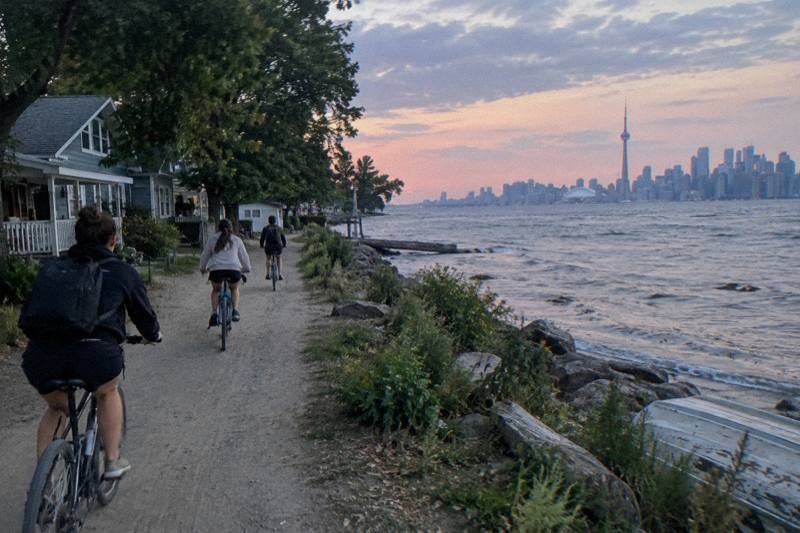
Is Toronto Island Open All Year Round?
Yes, Toronto Island is open all year, but winter ferry service runs to Ward's Island only. Here is what that means for cyclists, plus fares, seasons and what a winter visit looks like.
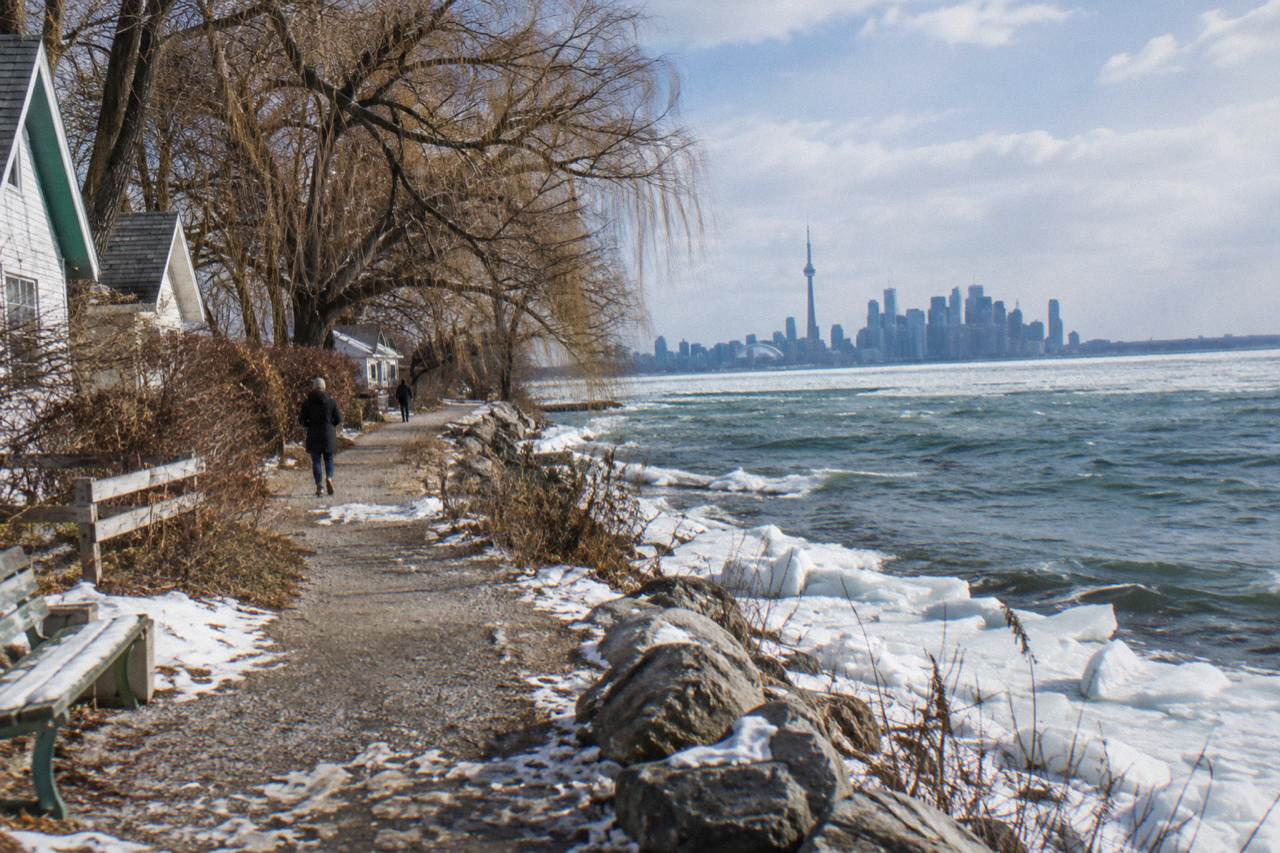
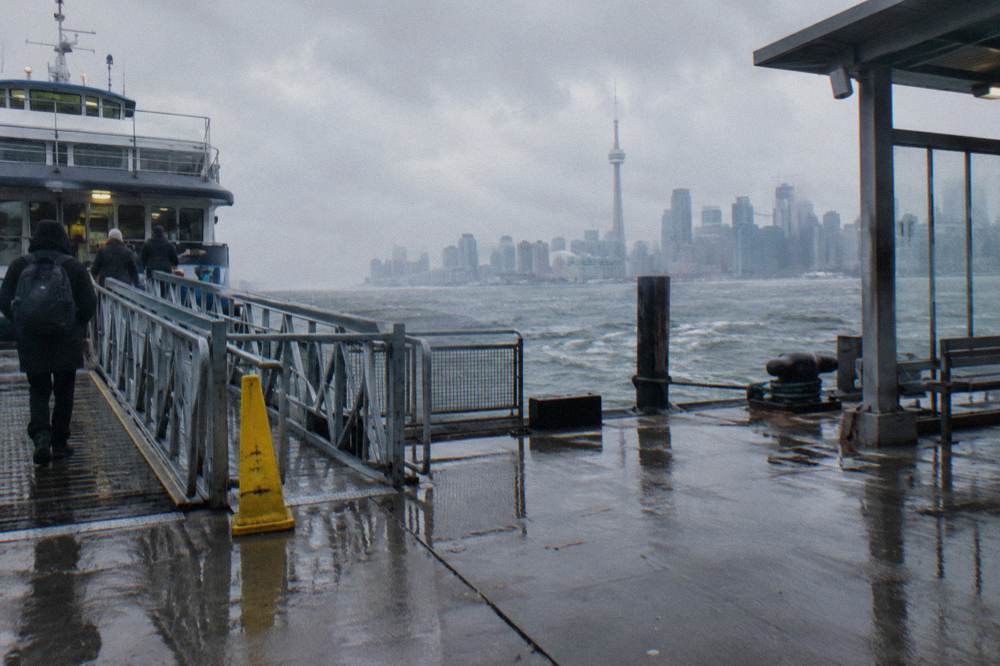
Toronto Island is a year-round destination, and the short answer to the question is yes, with one large caveat attached. The islands themselves, the paths, the parkland and the residential community at Ward's Island do not close for winter. What changes is the ferry: from 14 October 2026 until roughly mid-April 2027, the City runs boats to Ward's Island only, and the docks at Centre Island and Hanlan's Point sit out of service until spring. A winter visit is absolutely possible, it simply starts at a different dock than a summer one.
That distinction matters more for cyclists than for anyone else. In July, three ferry routes spread the crowds across the islands and a rider can land at whichever dock suits their loop. In January, everyone shares the Ward's Island crossing, and the rhythm of the day follows that single route's timetable. The Bike Tours Toronto perspective on this is straightforward: the islands reward a visit in every season, but the planning changes, and the rider who understands the seasonal schedule gets a better day out of it.
The ferry runs year-round from the Jack Layton Ferry Terminal at the foot of Bay Street, and the City publishes the sailing times on its ferry routes and schedules page. Confirm the live schedule before you go, since weather and mechanical issues can affect any individual sailing.
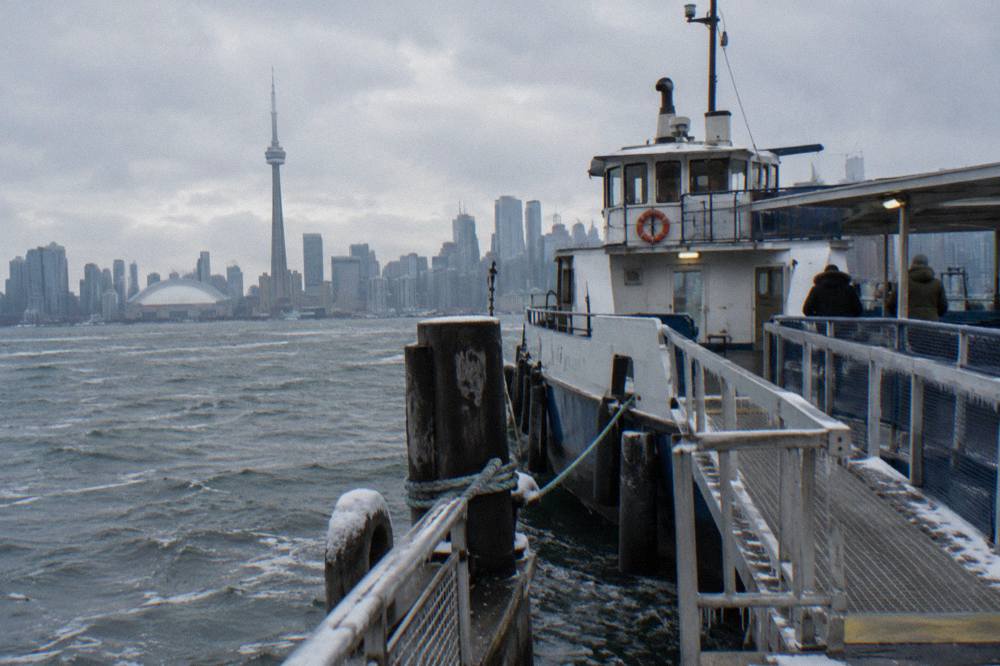
Yes, the island park and its trails are accessible in every month of the year, and a ferry runs continuously from the Jack Layton Ferry Terminal. The catch is seasonal: from 14 October 2026 to about mid-April 2027, boats serve Ward's Island only, with no sailings to Centre Island or Hanlan's Point. Summer brings all three routes back, roughly mid-May to mid-September.
The year divides into four distinct operating periods, and each one shapes the kind of ride you can have. Full summer service, from about mid-May to mid-September, runs boats to all three island docks and carries the bulk of the annual visitors. Spring and fall sit in reduced-service windows on either side, with fewer departures but all three routes still running. Winter is the Ward's Island schedule, frequent departures on a single route, with the first boat leaving the city around 6:30 a.m. and the last sailing close to 11:45 p.m., a span built around the residents who live on the islands and commute by boat.
Washrooms at key spots on the islands stay open year-round, which is one of the quiet reasons a winter visit works at all. The islands are a car-free environment apart from emergency and commercial vehicles, so the trails you ride in January are the same paved and gravel paths you ride in July, just quieter and often with better views through the bare trees toward the downtown skyline.
Cyclists should also know that the islands are a living neighbourhood, not just a park. Ward's Island in particular is home to a year-round community, and the winter ferry schedule exists largely for them. Off-season visitors are welcome, and the residents are used to sharing the paths, but the tone of a January afternoon is completely different from a July one: no queues at the dock, no bike traffic on the causeways, and long stretches where the loudest sound is wind off the lake. The contrast carries over to the dock as well, and this breakdown of how long the Toronto Island ferry wait actually runs shows how much the lineup shifts with the season and the sailing schedule.
For riders weighing the seasons against each other, the deeper comparison lives in our sunrise, morning and twilight rides guide, which looks at how the time of day changes the experience on top of the time of year.
What The Winter Ferry Schedule Means For Cyclists
Winter riders land at Ward's Island and stay east of the lagoons unless they ride west across the island paths themselves. Boats leave the city from roughly 6:30 a.m. to nearly midnight on the single Ward's route, and bicycles are welcome aboard, walked on and off. Centre Island's dock and Hanlan's Point's dock receive no service until the spring transition around mid-April.
That single fact reshapes a winter ride more than the cold does. In summer, most visitors land at Centre Island and fan outward from the central docks. In winter, you arrive on the eastern end of the islands, next to the Ward's Island neighbourhood, and everything you want to see is a ride away along the internal network. The distance between the docks is real: the City's own getting-around page puts Centre to Ward's at 2.9 km, about a 35 minute walk, though on a bike it is a few unhurried minutes.
Two rules from the ferry's ticket information page matter to anyone bringing wheels. Ordinary bicycles are welcome on board, but riders must walk them when boarding and disembarking, which keeps the loading area sane on busy sailings. Bike Share bicycles are not permitted on the ferries at all, so a docking-station bike from downtown cannot make the crossing with you; island riding on a shared bike means using the stations on the islands themselves.
E-bikes get a more conditional welcome. The City's guidance says e-bikes board at the discretion of staff, must be fully powered off during the crossing, and cannot be charged onboard or at the terminal. Staff may also direct passengers with larger e-bikes, roughly 40 kilograms and over, to the vehicle ferry. Ontario's rules for e-bikes themselves, a 32 km/h assisted speed limit and a 500 watt motor cap, apply on the island paths just as they do on city streets, and the island park does not allow e-bikes over 40 kg.
The spring transition is the moment the map widens again. Reduced three-route service resumes around mid-April, so by late April a rider can once again land at Centre Island or Hanlan's Point. If your heart is set on a specific dock, the practical habit is to glance at the schedule page the day before, because the exact handover dates between seasons shift a little each year and the City confirms them sailings at a time.
The 3.5-Hour Waterfront and Islands Ride is one way to sidestep the scheduling puzzle entirely, since the guided crossing and routing are handled for you. The listing states 3.5 hours for the full experience; check the booking page for which docks it uses during the winter window.
What Each Season On The Islands Actually Looks Like
Summer delivers full ferry service, crowded paths and average highs near 27 C in July; winter delivers a quiet Ward's Island, bare trees and January highs near zero; spring and fall trade thinner crowds for reduced sailings and changeable weather. The ECCC 1991 to 2020 climate normals for Toronto City put the year-round picture in numbers, with 822.7 mm of total precipitation spread across 104 days.
Those normals are worth reading before picking a month. July averages a high of 27.0 C against a low of 18.1 C, with 76.5 mm of rain, while January averages a high of -0.3 C and a low of -6.7 C, with 64.6 mm of precipitation, much of it snow. September is the sleeper month for cycling: an average high of 22.0 C, only 7.7 days with a millimetre or more of rain, and a ferry schedule that has just settled into the reduced fall service that begins in mid-September. October's average high of 14.6 C is still comfortable on a bike, though the Ward's-only winter switch on 14 October narrows the route options.
| Season | Ferry service | Average high / low (C) | Character of a bike visit |
|---|---|---|---|
| Summer (mid-May to mid-Sept) | All three routes, full frequency | 24.2 to 27.0 / 15.3 to 18.1 | Busiest paths, full amenities, longest days |
| Fall (mid-Sept to 14 Oct) | Three routes, reduced sailings | 22.0 falling to 14.6 / 13.8 to 7.7 | Thinner crowds, cool riding, fall colour |
| Winter (14 Oct to mid-April) | Ward's Island only, frequent | 0.6 to 8.1 / -6.0 to 2.3 | Near-empty paths, skyline views, bring layers |
| Spring (mid-April to mid-May) | Three routes, reduced sailings | 11.7 to 18.8 / 3.9 to 10.0 | Migrating birds, muddy gravel sections, quiet |
A winter ride is a different sport from a summer one, in the best sense. The summer lagoon edges and beaches draw most of the seasonal facilities, and several of those close after the warm months, but the trail network itself is a year-round asset. Riders who want the full seasonal rundown on the mainland side can pair the crossing with the routes described in our Martin Goodman Trail cycling guide, which connects the ferry terminal to more than 20 km of continuous waterfront path.
One planning note that has nothing to do with weather: the Parliament Street stretch of the Martin Goodman Trail on the mainland has been closed since 22 April 2026, with a temporary two-way protected lane carrying riders past the Queens Quay East construction, and that closure runs to the end of December 2026. Anyone riding to the ferry terminal along the waterfront from the east side should expect that detour. It is signed, separated by concrete barriers, and usable, but it changes the last kilometre of the approach.
How Much Is The Ferry With A Bike?
A round trip costs $9.57 Canadian for an adult, $6.15 for older adults and youth, $4.51 for juniors and nothing for infants under two, with tickets bought in Canadian dollars at the terminal or online. The bicycle itself rides free; the fare schedule charges per person, and tickets are valid for the round trip from any island dock the boats are serving.
Those fares come straight from the City's ferry ticket information page, and one detail in the fine print is genuinely useful: online tickets stay valid to the end of the year, so a spare round trip bought in autumn does not evaporate. Monthly passes exist as well, sold only at the terminal, with the adult pass at $121.64 Canadian, which only makes sense for someone crossing constantly.
| Passenger | Round-trip fare (Canadian dollars) |
|---|---|
| Adult (20 to 64) | $9.57 |
| Older adult (65 and over) | $6.15 |
| Youth (15 to 19) | $6.15 |
| Junior (2 to 14) | $4.51 |
| Infant (under 2) | Free |
| Bicycle | No additional charge |
Keep the currencies straight when you budget. Tour prices on this site are quoted in US dollars, while the ferry, like every City service, charges in Canadian dollars, so the crossing is a small separate line in the trip budget rather than something to compare against tour pricing. A family of two adults and two juniors pays a bit over $28 Canadian for the round trip, a figure that holds in every season because the fares do not change between the summer and winter schedules.
The terminal itself sits at the foot of Bay Street, a short ride from the downtown core and directly on the waterfront trail network. Arrive with the bike ready to walk aboard, lights on in the darker months, and a little patience in summer, when the queue for popular sailings can stretch along the terminal fence. In winter the same terminal is a far calmer place, and the Ward's boats load quickly because the passenger volume is a fraction of the July peak.
Riders who want the full mechanics of crossing with wheels, from the walk-on rule to the e-bike weight threshold, will find the details expanded in our guide to the island ferry with a bike, including how the winter route changes the calculus.
Which Island Should You Visit In The Off Season?
In winter the question answers itself: Ward's Island is the only dock with service, so the eastern end of the islands is where every off-season visit begins. From the Ward's landing, the paths west toward Centre Island and the lagoons are still open to ride, and most winter visitors loop the eastern trails, the neighbourhood lanes and the lakeshore stretches nearest the dock.
Ward's Island rewards that attention better than its reputation suggests. The residential community there is one of the city's odd treasures, a cluster of leased cottages and garden paths that reads like a lakeside village, and in the quiet months you can ride its lanes at a pace that July traffic makes impossible. The boardwalk along the southern shore runs toward the eastern beach, and on a clear winter afternoon the skyline across the channel, leafless and sharp, is the photograph most people came for.
Centre Island is the summer hub, and its seasonal facilities largely sleep from autumn onward, but the geography stays public. Hanlan's Point, at the western end, is the quietest of the three in any season and the one most affected by the winter schedule, since reaching it from Ward's means riding the full length of the island network. The City's getting-around page lists the inter-island distances, Centre to Ward's at 2.9 km being the anchor figure, and a rider who wants the full traverse should budget the afternoon and check the last sailing home with real care.
Spring complicates the choice in a good way. Once the reduced three-route service resumes around mid-April, the landing decision comes back into play, and the bird migration makes Hanlan's and the lagoon edges newly interesting. By the time full summer service arrives in mid-May, the islands have three working docks again and the normal summer logic returns: land where your loop starts.
The other question worth settling before any of this is whether to bring your own wheels or sort them on arrival, a comparison we work through in the Island rental versus guided ride guide. Rentals on the islands run through the island bicycle rental operator and the Bike Share stations there, and both answer the winter problem in their own way, since the Bike Share ban applies only to the ferry crossing, not to the island stations themselves.
Does A Guided Ride Make Sense Outside Summer?
Yes, guided islands rides run as listing-scheduled departures rather than a fixed summer season, and an off-season guided ride handles exactly the parts of a winter visit that take planning: the right ferry timing, the routing that works from Ward's, and a guide who knows which stretches are worth the cold. Confirm current departure dates on the booking page, since winter schedules thin out.
The Morning or Twilight Islands Ride is the natural fit. The listing describes a 3.5 hour guided ride with departures in the morning or around twilight, which in December means a mid-afternoon start against a sunset skyline, and the twilight option is arguably at its best in the cooler half of the year, when the city lights come up early across the water. Pricing and exact dates live on the booking page.
Guided rides also quietly solve the law and logistics layer. Ontario requires riders under 18 to wear an approved helmet, and bikes need a bell or horn plus the standard lights and reflectors for dark riding, requirements the province's bicycle safety page spells out. A guided operation typically supplies equipment that already meets those rules, which matters more in winter when darkness arrives before 5 p.m. and a twilight ride is genuinely a night ride.
Solo winter visitors should take the same rules seriously on their own account. The islands are unlit across much of their length, the winter wind off Lake Ontario is a real factor on the exposed shore stretches, and the last ferry is the last ferry. None of that is a reason to stay home; it is a reason to check the sailing times, charge the lights, and treat the ride home as part of the plan rather than an afterthought.
Common Questions About Toronto Island Access
Is Toronto Island Open All Year Round?
Yes. The island park and its trail network are accessible in every month, and a ferry runs year-round from the Jack Layton Ferry Terminal. From 14 October 2026 to about mid-April 2027 the boats serve Ward's Island only; full three-route service returns roughly mid-May to mid-September, with reduced service in spring and fall.
Can You Bike On Toronto Island In Winter?
Yes. Bicycles are welcome on the ferry, walked on and off, and the island paths are open year-round. Winter visitors land at Ward's Island and ride from there. Washrooms at key spots stay open through the winter, and the paths are typically near-empty compared with summer.
How Much Does The Winter Ferry Cost?
The same as the summer ferry: $9.57 Canadian round trip for an adult, $6.15 for older adults and youth, $4.51 for juniors, free for infants under two, and no extra charge for an ordinary bicycle. Online tickets remain valid to the end of the year.
Can You Take A Bike Share Bike On The Ferry?
No. Bike Share bicycles are not permitted on the ferries in any season. There are Bike Share stations on the islands themselves, so shared bikes are an option once you have crossed on foot or with other wheels.
When Do Centre Island And Hanlan's Point Ferries Restart?
Reduced three-route service resumes around mid-April, once the Ward's-only winter schedule ends. Full summer service on all three routes runs from about mid-May to mid-September. The City's ferry schedules page confirms the exact dates, and it is worth a check the day before you travel.
Are Guided Island Bike Tours Available In The Off Season?
Guided rides, including the Morning or Twilight Islands Ride, run on the schedules stated on their booking pages rather than a fixed summer season. Winter departures are thinner and the routing follows the Ward's Island ferry. Check the booking page for current dates and pricing.