How Much Time Do You Need To Explore Toronto?
A practical time budget for Toronto, from one rushed day to a full week, with guided bike ride durations, market and district hours, and seasonal timing.
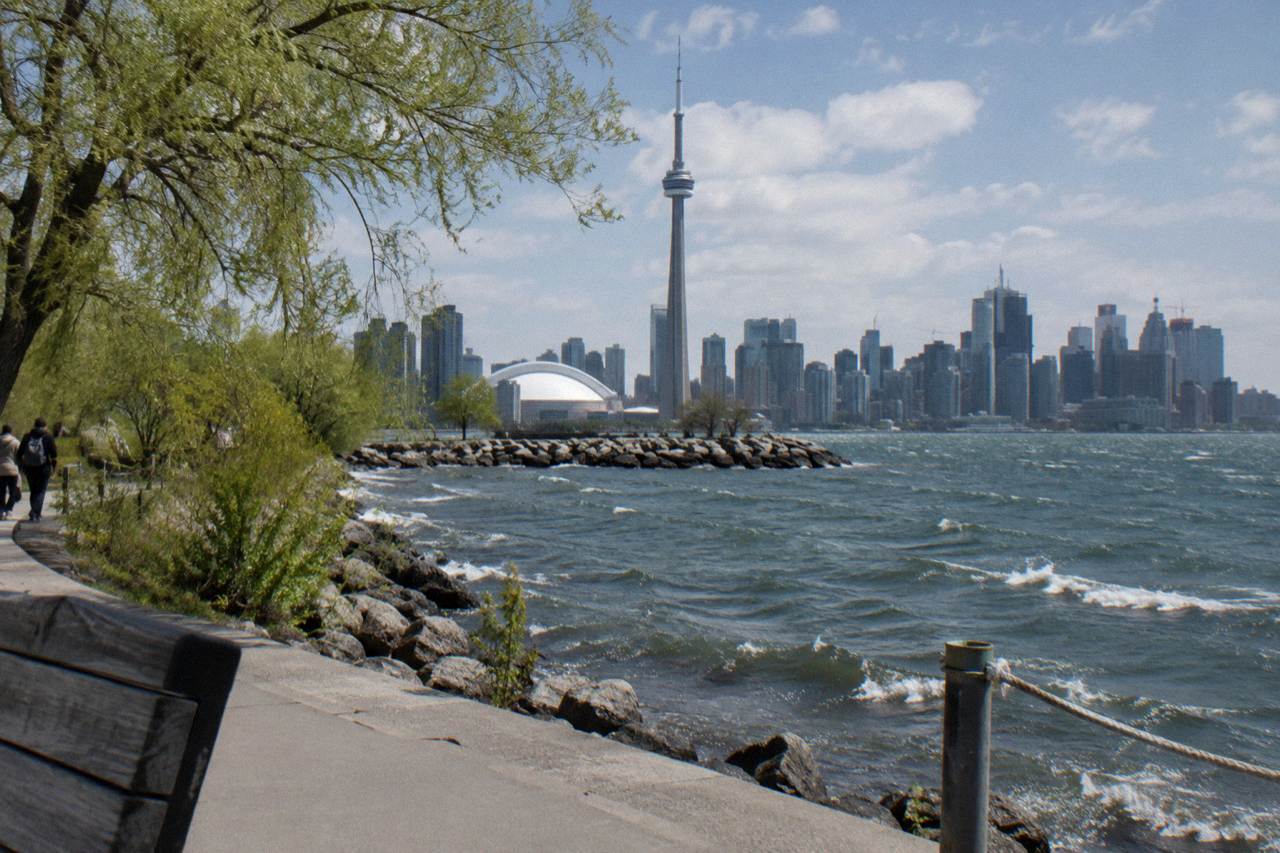
Toronto rewards a plan more than most cities its size, because its highlights are spread across a waterfront, a set of islands, and a string of neighbourhoods that each behave like small towns. The question of how much time you need is really a question of how many of those layers you want to touch. The short answer is that the city's core can be sampled in a long day, its islands and waterfront add a second day, and its markets, distillery district and outer neighbourhoods comfortably fill three to five. If the islands are the part of the trip you are most tempted to shortchange, our guide to how long Toronto Island actually needs covers ferry timing, walking distances, and how the seasonal schedule shifts.
The honest version of this answer also depends on pace. A visitor who wants photographs from the big viewpoints can leave satisfied after 24 hours. A visitor who wants to understand why residents defend this city so fiercely, its markets, its car free Sundays, its lake at sunset, needs the longer budget. Nothing here requires a week, but almost everything worth doing rewards the second hour more than the first, and that is the tension every itinerary has to manage. For travelers leaning toward the longer budget, our guide to free Toronto experiences you can reach by bike pairs naturally with slow afternoons along the waterfront.
Plan on two full days to see Toronto's essential layer and four to five days to explore it properly. One very full day covers the downtown core and a taste of the waterfront, while the Toronto Islands alone justify half a day including the ferry crossing. Add a day for markets and the Distillery District, and one more for neighbourhoods like Kensington Market and Leslieville if you want the city beyond the postcard views.
That budget reflects how the city is actually shaped. The downtown grid is walkable but wide, the Islands sit a ferry ride away across the harbour, and the neighbourhoods worth lingering in, Kensington, the Distillery, Leslieville, are scattered along the east and west edges of the core. A visitor who tries to walk all of it in a day spends most of that day in transit between things rather than at them.
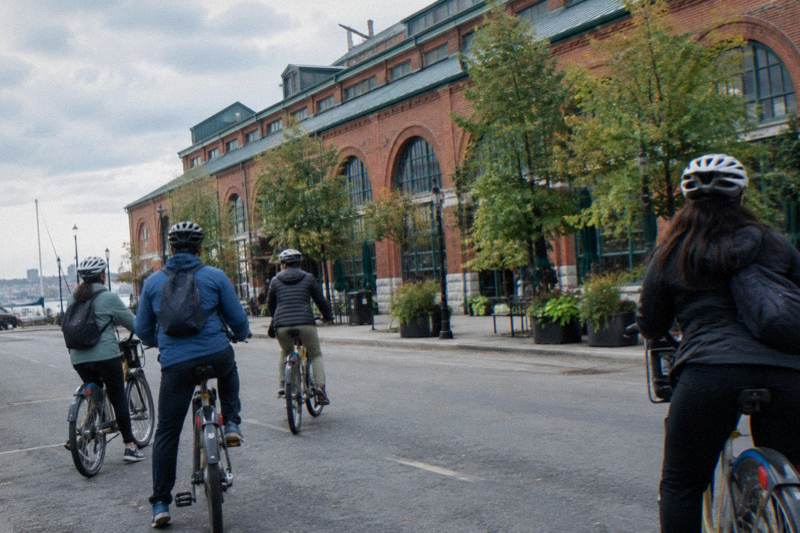
This is also why guided bike rides have become a common shortcut for first visits. A 3.5 hour guided loop covers ground that would eat a full walking day, and the city's cycling network, counted in December 2025 at 110.1 km of cycle tracks, 143.8 km of bicycle lanes and 399.3 km of multi-use trails, makes those loops largely traffic separated. You can read more about that layout in the bike lanes and path map, or in the visitor cycling primer.
The 2026 tourism year underlines how much there is to absorb. Destination Toronto reported a 17 percent increase in international visits for May through July compared with the year before, with UK visits up 46 percent and Germany up 59 percent, and a City backed survey found that 9 in 10 World Cup visitors said they were likely to return for leisure within two years. People who come once, in other words, tend to realize the trip was too short.
What Can You See In One Day In Toronto?
One well planned day gives you the downtown core, a stretch of the waterfront trail, and either the Distillery District or St. Lawrence Market, but not the Islands. Expect roughly three hours for downtown sights on foot, an hour or two on the waterfront, and a final block for one eastern district before dinner. A guided 3.5 hour ride can replace most of the downtown portion and free the afternoon. If you're leaning toward the cobblestone lanes, this Distillery District worth-it guide covers hours, Winter Village ticket rules, and how to see it by bike.
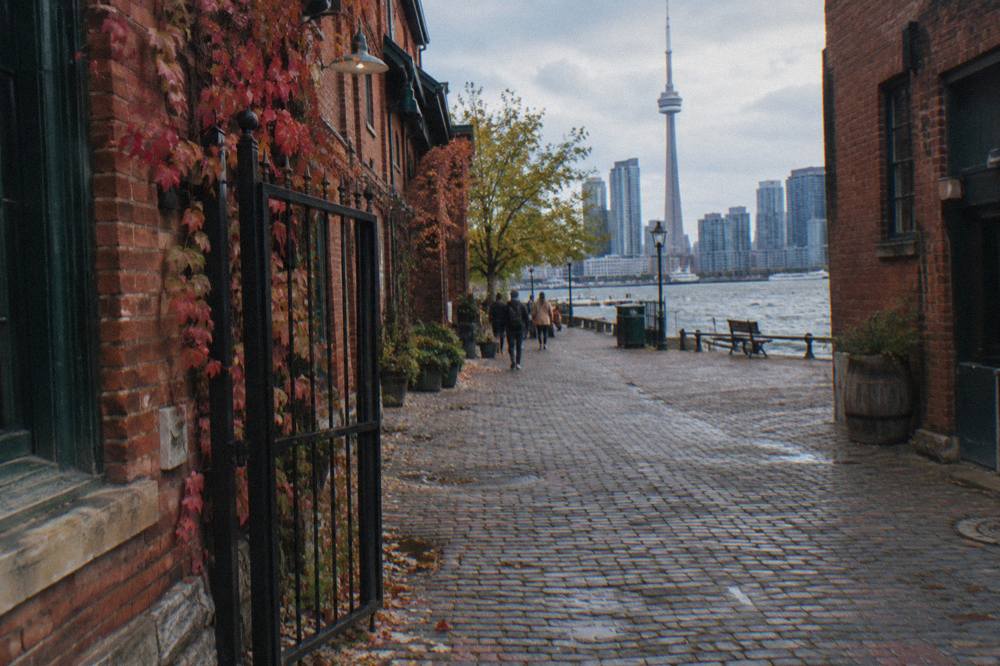
The single day visitor should pick a centre of gravity and stay near it. Downtown delivers the CN Tower area, City Hall and the financial district towers within a compact zone, and the waterfront sits directly south of it, so the two chain together naturally. Heading east along the lake brings you to the Distillery Historic District, a car free collection of Victorian industrial buildings at 55 Mill St whose standard hours run 10 a.m. to 7 p.m. Monday to Thursday, 10 a.m. to 8 p.m. Friday and Saturday, and 11 a.m. to 7 p.m. Sunday.
St. Lawrence Market is a short walk west of the Distillery and pairs well with it. The South Market keeps regular hours of 9 a.m. to 7 p.m. Tuesday to Friday, 7 a.m. to 5 p.m. Saturday and 10 a.m. to 5 p.m. Sunday, closed Mondays, per the market's own hours page. A realistic one day chain is downtown in the morning, the waterfront around midday, then the market or the Distillery in the late afternoon, with dinner back in the core.
Timing matters more than order. The market's Saturday opening at 7 a.m. suits early risers who want the bakery stalls before the crowds, while the Distillery's late Sunday morning opening at 11 a.m. makes it the natural finish to a slow brunch day. Do not schedule both eastern stops back to back in a tight window; each rewards browsing rather than checking off, and the one day budget has no slack for a second pass.
For riders who would rather compress downtown into a single guided block, the Heart of Downtown Ride runs 3.5 hours with snacks included, per the listing. It is the tour this site features for exactly this question, because it converts the biggest chunk of a one day itinerary into one morning and leaves the afternoon open. Booking pages carry the current price and meeting point, and free cancellation terms are stated there.
How Many Days For Downtown, The Waterfront And The Islands?
Two days splits cleanly: day one for downtown and the eastern districts, day two for the Islands and the waterfront trail. The ferry to the Islands runs from the Jack Layton Ferry Terminal, and a round trip adult fare is $9.57 in Canadian dollars, so budget a half day including the crossing and island time. The Martin Goodman Trail covers 20+ km of waterfront if you ride it end to end.
The Islands deserve the half day, not a rushed hour. Centre Island to Ward's Island alone is about 2.9 km, roughly a 35 minute walk, and most visitors want time at more than one point of the archipelago. The City's ferry ticket page lists the full fare table: adults $9.57 round trip, older adults and youth $6.15, juniors $4.51, infants free. Bicycles are welcome on board and you walk them on and off, though Bike Share bicycles are not permitted on the ferries, a detail that catches plenty of visitors.
Season matters for the second day. Winter service from 14 October 2026 runs to Ward's Island only, with the first departure around 6:30 a.m. from the city, until mid-April 2027, and full three route service returns mid-May to mid-September. There is a fuller breakdown in the ferry with a bike guide. Between the ferry logistics and the riding, a guided islands option saves real planning time, and the Waterfront and Islands ride covers both in a single 3.5 hour outing, with the operator's booking page carrying price and departure details.
For visitors who want the neighbourhood layer instead, an e-bike broadens the radius. The E-Bike City and Neighbourhoods ride also runs 3.5 hours and reaches districts that feel out of range on foot.
| Time budget | What it realistically covers | What you skip |
|---|---|---|
| One day | Downtown core, waterfront stretch, St. Lawrence Market or the Distillery | The Islands, outer neighbourhoods |
| Two days | Day one core and eastern districts, day two Islands and waterfront trail | Kensington deep dive, west end |
| Three days | Above, plus Kensington Market, a full trail ride, an evening Islands visit | Day trips and the Beaches |
| Four to five days | All of it, plus Leslieville, High Park and an unhurried market morning | Nothing central |
How Long Do The Guided Bike Rides Take?
Every guided ride currently available in the city runs 3.5 hours, which makes one ride per half day the natural rhythm. The classic downtown, waterfront and islands loops each list 3.5 hours, and all of them are shared group rides rather than private bookings.
That consistency is genuinely useful for planning, because a ride always consumes either a morning or an afternoon and never a whole day. It also means two different rides fit comfortably into one day if you are short on time, a morning islands loop and an afternoon downtown loop, with lunch between. The table below lays out the durations as the listings state them.
| Ride | Duration | Style |
|---|---|---|
| Heart of Downtown Ride, snacks included | 3.5 hours | Classic bike, shared |
| Waterfront and Islands guided ride | 3.5 hours | Classic bike, shared |
| Islands morning or twilight ride | 3.5 hours | Classic bike, shared |
| Islands sunrise ride, breakfast included | 3.5 hours | Classic bike, shared |
| E-Bike city and neighbourhoods ride | 3.5 hours | E-bike, shared |
Note what the durations do not tell you: arrival time. The listings state the ride lengths, but meeting points and check in windows are on each booking page, and the sunrise departure in particular depends on the season's light. Build a buffer of at least half an hour before any guided ride, more if you are crossing the city to reach the meeting point, because the fixed start time is the one part of a cycling day you cannot negotiate.
What If You Only Have A Weekend?
A weekend, meaning two nights and roughly two and a half activity days, is the sweet spot for Toronto. Day one takes downtown and the eastern districts, day two takes the Islands and the waterfront, and the departure morning fits a market visit, since St. Lawrence Market opens 7 a.m. on Saturdays and 10 a.m. on Sundays. Guided rides slot into either morning without collision.
Weekends also unlock things that do not exist midweek. Kensington Market holds its Pedestrian Sundays on the last Sunday of each month from May through October, a car free window from noon to 7 p.m. that turns the whole neighbourhood into a street festival, and the Kensington Flea Market runs every Saturday and Sunday from May to September, 11 a.m. to 7 p.m. at 216 Augusta Ave. The Kensington and downtown neighbourhoods guide covers how to reach both by bike.
In the colder half of the year the weekend calendar shifts indoors. The Distillery Winter Village, from 12 November 2026 to 3 January 2027, needs timed tickets on opening night, on Fridays to Sundays after 4 p.m., on December Thursdays after 4 p.m., and daily after 4 p.m. from 14 to 31 December, with general admission from about $16 and free entry on many weekday daytime slots, per the event's official site. The Evergreen Winter Market at the Brick Works runs pay what you can on the four Sundays from 29 November to 20 December 2026, 11 a.m. to 5 p.m.
There is a third winter anchor worth knowing: the St. Lawrence Winter Market runs on Market Street from 19 November to 22 December 2026, Thursdays and Fridays 11 a.m. to 7 p.m. and weekends from 10 a.m., with vendors, live music and Santa photos on weekend afternoons, all free. Sandwiched between the market's regular Saturday hours and the Distillery's ticketed evenings, it gives a November or December weekend a full Saturday without spending a cent on entry.
Weekend visitors chasing a memorable single block often pick the sunrise option on the Islands, a 3.5 hour ride with breakfast included, since it finishes by mid morning and leaves the rest of the day free.
How Does The Season Change Your Time Budget?
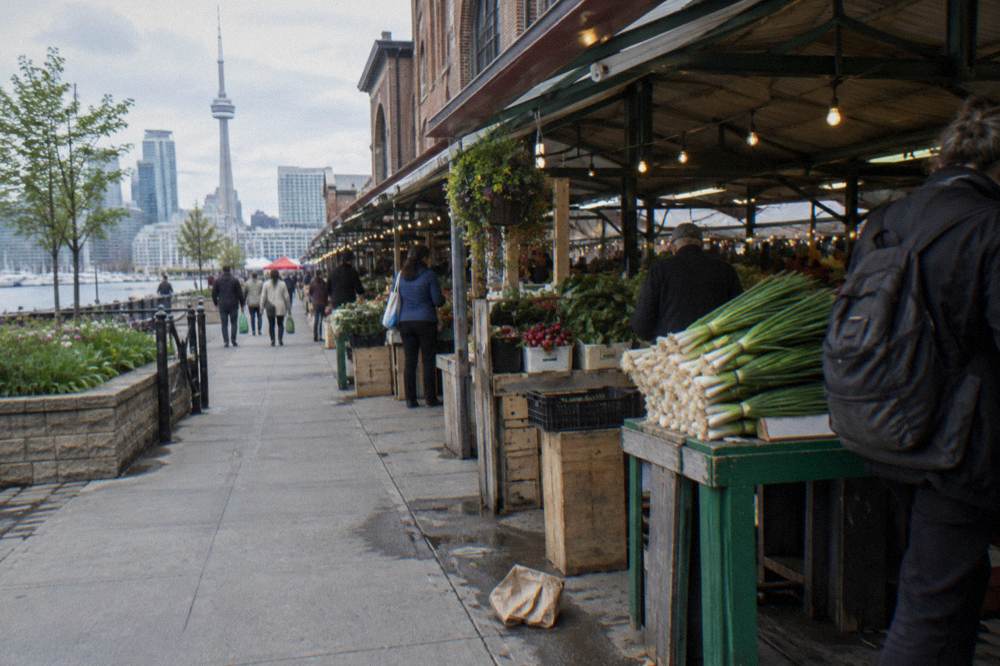
Summer compresses your itinerary, because everything is open and the ferry runs full three route service, while winter stretches it, since the Islands shrink to Ward's Island access and outdoor time costs more effort. Toronto's normals show July averaging a 27 C high against January's minus 0.3 C, with 8 to 10 days of measurable precipitation per month year round, so plan one flexible indoor block per trip regardless of season.
Summer, mid-May through mid-September, is when the two day core itinerary works at full efficiency. The Music Garden on the waterfront runs its free Summer Music in the Garden series on Thursdays at 7 p.m. and Sundays at 4 p.m. from late June through August, which slots neatly after an afternoon ride. The tradeoff is demand: August 2026 set a monthly ferry record of more than 423,000 trips after free senior and youth rides were offered, a signal of how busy the Islands have become in peak season.
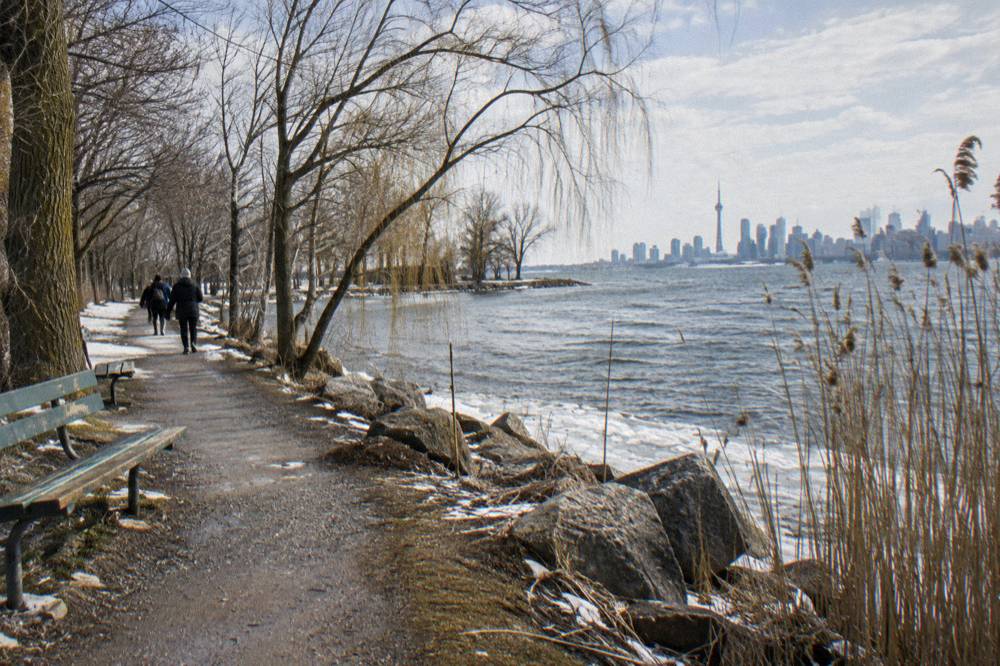
Shoulder seasons reward a slower pace. April and October normals sit at 11.7 C and 14.6 C average highs respectively, comfortable riding weather, and spring's reduced ferry service from mid-April still reaches the Islands. November's average high of 8.1 C is workable for a ride with layers, and the winter markets give the indoor half of a day real substance. Cyclists should also know that the Martin Goodman Trail on Parliament Street is closed from 22 April to 31 December 2026, with a temporary two way protected lane carrying riders through the construction zone, a detour worth checking before an east end waterfront day.
Daylight is the hidden variable in the colder months. A 3.5 hour ride that starts in the late afternoon in July finishes in full light, while the same start in November finishes after dark, and Ontario law requires a white front light and a red rear light or reflector for night riding. Operators handle this by moving start times earlier, but check the departure time on the booking page for the month you are visiting rather than assuming the summer schedule holds.
Riders planning their own time should also glance at the best time of year to cycle guide, and remember the provincial rules that shape any ride: helmets are mandatory for cyclists under 18, and e-bike riders must be 16 or older, per Ontario's bicycle safety and e-bike pages on ontario.ca.
How Much Time Do Toronto Locals Say The Layers Take?
Locals tend to budget a full afternoon for Kensington Market, an hour or two for the Distillery outside event season, and half a day for any Islands trip, which matches the cluster hours the districts themselves publish. A first visit that respects those rhythms lands on three to four days, and the layers that overflow into a second visit are the west end, High Park and the Beaches rather than anything downtown.
The pattern behind those local budgets is simple: Toronto's districts are small but dense. Kensington Market rewards slow browsing, the Distillery rewards an evening, and the Islands reward a blanket and an unhurried loop. Visitors who sprint between them remember transit, not places. Visitors who pick two or three layers per day remember the city.
One district-specific wrinkle is worth flagging for anyone adding the west end to a longer trip: the High Park Animal Display, including the llama pen, closed to visitors starting 13 October 2026 and stays closed through spring 2027 because of Deer Pen Road construction. The park itself remains open, so the walking and cycling time budget for High Park is unchanged, but the animal display should not be part of a family's plan until it reopens.
The Beaches, at the east end of the waterfront, is another layer that only makes sense with slack in the schedule. Reaching it means riding a meaningful stretch of the Martin Goodman Trail from the core, which is pleasant but consumes hours, and the neighbourhood's charm is low key, a boardwalk, a main street, Lake Ontario at eye level. It is a third or fourth day activity, not a first day one.
That is also the honest case for letting a guided ride carry one layer of the trip. This is the approach Bike Tours Toronto builds its planning guides around, and it holds whether you ride once or three times.
Common Questions About Exploring Toronto
How Much Time Do You Need To Explore Toronto?
Two full days cover the essential layers, downtown, the waterfront and the Islands, while four to five days let you add Kensington Market, the Distillery District, Leslieville and the west end without rushing. A single very full day can sample the downtown core and one eastern district but not the Islands.
Can You See Toronto In One Day?
You can see the downtown core, a stretch of the waterfront trail and either St. Lawrence Market or the Distillery District in one long day. The Toronto Islands do not fit realistically into the same day because the ferry crossing and island time need about half a day on their own.
How Long Does A Guided Bike Ride Take In Toronto?
All nine guided rides run 3.5 hours each, whether downtown, on the Islands or on e-bike, and every one comes with free cancellation. That makes one ride per morning or afternoon the natural planning rhythm, and two rides can fit in a single day.
How Much Time Should You Spend On The Toronto Islands?
Plan a half day, including the ferry crossing. Centre Island to Ward's Island is about 2.9 km, roughly a 35 minute walk, and most visitors want to stop at more than one point. In winter, service runs to Ward's Island only.
Is The Ferry To The Islands Included In A Day Budget?
Yes, count it. The adult round trip fare is $9.57 in Canadian dollars, older adults and youth pay $6.15, juniors $4.51 and infants ride free, and schedule frequency changes by season, so check the City's sailing page before you go.
What Is The Best Season For A First Visit?
Mid-May through mid-September, when the ferry runs all three routes and outdoor programming is at its peak. The climate normals put July's average high at 27 C. Shoulder months in April, May, September and October are quieter and cooler, and the winter markets give colder months an indoor anchor.